

Building Healthy Financial Habits
Simple Methods to Improve Money Awareness Discipline and Decision-Making Skills for Healthier Personal Finances Long-Term
Échec de l'ajout au panier.
Échec de l'ajout à la liste d'envies.
Échec de la suppression de la liste d’envies.
Échec du suivi du balado
Ne plus suivre le balado a échoué
30 jours d'essai gratuit à Audible Standard

Building Healthy Financial Habits
Acheter pour 15,22 $
-
Narrateur(s):
-
Robyn Green
-
Auteur(s):
-
Zylen D. Marrow
À propos de cet audio
Building healthy financial habits is a foundational life skill that supports long-term stability, independence, and peace of mind. At its core, financial health is not determined by income alone, but by consistent, intentional behaviors that guide how money is earned, spent, saved, and invested over time. Developing these habits early—and reinforcing them regularly—helps individuals make informed decisions and adapt confidently to changing financial circumstances.
A key habit is budgeting with purpose. Tracking income and expenses allows individuals to understand where their money goes, identify unnecessary spending, and align financial choices with personal goals. A realistic budget is not restrictive; rather, it serves as a roadmap that prioritizes essential needs while creating space for savings and enjoyment. Closely tied to budgeting is mindful spending, which encourages distinguishing between wants and needs and making purchases based on value rather than impulse.
Saving consistently is another critical component of healthy financial habits. Setting aside even small amounts on a regular basis builds an emergency fund, reduces reliance on debt, and creates a buffer against unexpected expenses. Over time, savings can also support larger goals such as education, home ownership, or retirement. Complementing saving is responsible debt management. Understanding interest, paying bills on time, and limiting high-interest debt help protect credit health and reduce long-term financial stress.
Financial literacy and ongoing learning further strengthen these habits. By understanding basic concepts such as credit, interest, insurance, and investing, individuals are better equipped to evaluate options and avoid costly mistakes. Finally, healthy financial habits require discipline and reflection. Regularly reviewing financial goals and adjusting strategies ensures that habits remain aligned with life changes and priorities.
©2026 Zylen D. Marrow (P)2026 Zylen D. MarrowVous pourriez aussi aimer...
-
Money Management for Everyday Living
- Simple Strategies to Organize Finances, Prioritize Needs, Reduce Stress, and Develop Responsible Money Habits for Everyday Living
- Auteur(s): Pryxen N. Whitlow
- Narrateur(s): B Fike
- Durée: 4 h et 30 min
- Version intégrale
-
Au global0
-
Performance0
-
Histoire0
Money Management for Everyday Living is a practical guide designed to help individuals take control of their finances with clarity and confidence. In a world where daily expenses, unexpected costs, and long-term responsibilities often compete for limited resources, effective money management is essential for maintaining stability and reducing financial stress. This book focuses on realistic strategies that can be applied immediately, regardless of income level or financial background.
Auteur(s): Pryxen N. Whitlow

-
Keep Going When It’s Hard
- Find Strength in Struggle, Build Resilience, and Push Forward when Motivation Fades and Obstacles Multiply
- Auteur(s): Arvion C. Nexford
- Narrateur(s): Robyn Green
- Durée: 3 h et 1 min
- Version intégrale
-
Au global0
-
Performance0
-
Histoire0
Keep Going When It’s Hard is a practical guide for anyone facing obstacles, fatigue, or doubt on the path to meaningful achievement. Life rarely unfolds smoothly, and every worthwhile goal comes with periods of struggle, setbacks, and moments when giving up seems easier than continuing.
Auteur(s): Arvion C. Nexford
-
Dream Bold Act with Consistency
- Learn to Bridge Dreams and Execution by Mastering Routines, Accountability, Perseverance, and Self-Belief
- Auteur(s): Teyzan N. Holloway
- Narrateur(s): Robyn Green
- Durée: 3 h et 1 min
- Version intégrale
-
Au global0
-
Performance0
-
Histoire0
Dream Bold, Act With Consistency is a practical guide for anyone who wants to turn big ambitions into tangible, lasting results. Many people dream of extraordinary achievements—starting a business, writing a book, mastering a skill, or transforming their lives—but struggle to move from inspiration to execution. This audiobook provides the roadmap for bridging that gap, showing how to dream courageously while building the consistent habits and systems necessary to achieve those dreams.
Auteur(s): Teyzan N. Holloway
-
Small Steps to Big Change
- Step-by-Step Strategies for Creating Positive Change by Focusing on Manageable Daily Improvements and Sustainable Personal Growth
- Auteur(s): Xorvin K. Delrex
- Narrateur(s): Robyn Green
- Durée: 3 h et 1 min
- Version intégrale
-
Au global0
-
Performance0
-
Histoire0
Lasting change rarely comes from dramatic breakthroughs or sudden transformations. It is built quietly, through small, consistent actions that compound over time. Small Steps to Big Change offers a practical and realistic roadmap for creating meaningful personal growth by focusing on progress you can sustain—one step at a time. This book is designed for anyone who feels overwhelmed by the pressure to change everything at once. Rather than promoting extreme discipline or rigid routines, it introduces a simple, structured approach to habit-building that aligns with real life.
Auteur(s): Xorvin K. Delrex
-
Create the Life You Want
- A Step-by-Step Approach to Shaping Your Future Through Conscious Choices and Daily Commitment Practice
- Auteur(s): Rixor N. Camden
- Narrateur(s): Robyn Green
- Durée: 3 h et 2 min
- Version intégrale
-
Au global0
-
Performance0
-
Histoire0
A fulfilling life does not happen by chance—it is created through deliberate choices, clear values, and consistent action. Create the Life You Want is a practical guide for anyone ready to take ownership of their direction and intentionally design a life that aligns with what truly matters to them. This book moves beyond vague inspiration and focuses on clarity, responsibility, and execution. Listeners are guided through a structured process of identifying personal values, defining meaningful goals, and aligning daily actions with long-term vision.
Auteur(s): Rixor N. Camden

-
Create Momentum
- One Choice Daily
- Auteur(s): Zaylorn H. Quivex
- Narrateur(s): B Fike
- Durée: 4 h et 17 min
- Version intégrale
-
Au global0
-
Performance0
-
Histoire0
Create Momentum: One Choice Daily is a transformative guide to turning small, deliberate actions into lasting success. In a world obsessed with motivation, high-intensity productivity hacks, and sporadic bursts of effort, most people struggle to sustain progress. This book flips the conventional approach: instead of relying on fleeting inspiration, it teaches listeners how to build unstoppable momentum, one choice at a time.
Auteur(s): Zaylorn H. Quivex
-
Money Management for Everyday Living
- Simple Strategies to Organize Finances, Prioritize Needs, Reduce Stress, and Develop Responsible Money Habits for Everyday Living
- Auteur(s): Pryxen N. Whitlow
- Narrateur(s): B Fike
- Durée: 4 h et 30 min
- Version intégrale
-
Au global0
-
Performance0
-
Histoire0
Money Management for Everyday Living is a practical guide designed to help individuals take control of their finances with clarity and confidence. In a world where daily expenses, unexpected costs, and long-term responsibilities often compete for limited resources, effective money management is essential for maintaining stability and reducing financial stress. This book focuses on realistic strategies that can be applied immediately, regardless of income level or financial background.
Auteur(s): Pryxen N. Whitlow
-
Keep Going When It’s Hard
- Find Strength in Struggle, Build Resilience, and Push Forward when Motivation Fades and Obstacles Multiply
- Auteur(s): Arvion C. Nexford
- Narrateur(s): Robyn Green
- Durée: 3 h et 1 min
- Version intégrale
-
Au global0
-
Performance0
-
Histoire0
Keep Going When It’s Hard is a practical guide for anyone facing obstacles, fatigue, or doubt on the path to meaningful achievement. Life rarely unfolds smoothly, and every worthwhile goal comes with periods of struggle, setbacks, and moments when giving up seems easier than continuing.
Auteur(s): Arvion C. Nexford
-
Dream Bold Act with Consistency
- Learn to Bridge Dreams and Execution by Mastering Routines, Accountability, Perseverance, and Self-Belief
- Auteur(s): Teyzan N. Holloway
- Narrateur(s): Robyn Green
- Durée: 3 h et 1 min
- Version intégrale
-
Au global0
-
Performance0
-
Histoire0
Dream Bold, Act With Consistency is a practical guide for anyone who wants to turn big ambitions into tangible, lasting results. Many people dream of extraordinary achievements—starting a business, writing a book, mastering a skill, or transforming their lives—but struggle to move from inspiration to execution. This audiobook provides the roadmap for bridging that gap, showing how to dream courageously while building the consistent habits and systems necessary to achieve those dreams.
Auteur(s): Teyzan N. Holloway
-
Small Steps to Big Change
- Step-by-Step Strategies for Creating Positive Change by Focusing on Manageable Daily Improvements and Sustainable Personal Growth
- Auteur(s): Xorvin K. Delrex
- Narrateur(s): Robyn Green
- Durée: 3 h et 1 min
- Version intégrale
-
Au global0
-
Performance0
-
Histoire0
Lasting change rarely comes from dramatic breakthroughs or sudden transformations. It is built quietly, through small, consistent actions that compound over time. Small Steps to Big Change offers a practical and realistic roadmap for creating meaningful personal growth by focusing on progress you can sustain—one step at a time. This book is designed for anyone who feels overwhelmed by the pressure to change everything at once. Rather than promoting extreme discipline or rigid routines, it introduces a simple, structured approach to habit-building that aligns with real life.
Auteur(s): Xorvin K. Delrex
-
Create the Life You Want
- A Step-by-Step Approach to Shaping Your Future Through Conscious Choices and Daily Commitment Practice
- Auteur(s): Rixor N. Camden
- Narrateur(s): Robyn Green
- Durée: 3 h et 2 min
- Version intégrale
-
Au global0
-
Performance0
-
Histoire0
A fulfilling life does not happen by chance—it is created through deliberate choices, clear values, and consistent action. Create the Life You Want is a practical guide for anyone ready to take ownership of their direction and intentionally design a life that aligns with what truly matters to them. This book moves beyond vague inspiration and focuses on clarity, responsibility, and execution. Listeners are guided through a structured process of identifying personal values, defining meaningful goals, and aligning daily actions with long-term vision.
Auteur(s): Rixor N. Camden
-
Create Momentum
- One Choice Daily
- Auteur(s): Zaylorn H. Quivex
- Narrateur(s): B Fike
- Durée: 4 h et 17 min
- Version intégrale
-
Au global0
-
Performance0
-
Histoire0
Create Momentum: One Choice Daily is a transformative guide to turning small, deliberate actions into lasting success. In a world obsessed with motivation, high-intensity productivity hacks, and sporadic bursts of effort, most people struggle to sustain progress. This book flips the conventional approach: instead of relying on fleeting inspiration, it teaches listeners how to build unstoppable momentum, one choice at a time.
Auteur(s): Zaylorn H. Quivex
-
Build a Life with Purpose
- Clarify What Matters Most, Eliminate Distractions, and Pursue Meaningful Goals with Consistency and Conviction Daily
- Auteur(s): Kalorik D. Monroe
- Narrateur(s): Robyn Green
- Durée: 3 h et 2 min
- Version intégrale
-
Au global0
-
Performance0
-
Histoire0
Build a Life With Purpose is a practical guide for anyone who wants to live intentionally, align daily actions with meaningful goals, and create a life that feels coherent and fulfilling. In a world filled with distractions, obligations, and competing priorities, it is all too easy to drift—spending time and energy without a clear sense of direction. This audiobook offers the tools, strategies, and mindset shifts needed to stop drifting and start building a life guided by purpose.
Auteur(s): Kalorik D. Monroe

-
From Hustle to Equity
- Learn How Entrepreneurs Escape Nonstop Grinding by Acquiring Assets, Compounding Returns, and Owning Upside Forever
- Auteur(s): Riley V. Gallagher
- Narrateur(s): Robyn Green
- Durée: 3 h et 3 min
- Version intégrale
-
Au global0
-
Performance0
-
Histoire0
From Hustle to Equity is a practical roadmap for entrepreneurs who are tired of trading time for money — and ready to build assets that work for them. Most people are taught to grind harder, work longer, and “chase opportunity.” But sustained wealth is rarely created through effort alone. It comes from ownership, leverage, and disciplined decision-making. This book reframes the entrepreneurial journey: away from endless hustle, and toward building equity that compounds quietly in the background.
Auteur(s): Riley V. Gallagher

-
Confidence Begins Within You
- A Supportive Approach to Developing Lasting Confidence Through Reflection Practice and Intentional Personal Growth over Time
- Auteur(s): Zyvan V. Lockridge
- Narrateur(s): Robyn Green
- Durée: 3 h et 2 min
- Version intégrale
-
Au global0
-
Performance0
-
Histoire0
True confidence is not loud, performative, or dependent on approval from others. It is steady, internal, and built from a clear understanding of who you are and what you value. Confidence Begins Within You is a practical guide for developing authentic self-confidence from the inside out—without pretense, comparison, or external validation. In this book, listeners are guided through the foundational principles that shape lasting confidence: self-awareness, emotional resilience, disciplined thinking, and intentional action.
Auteur(s): Zyvan V. Lockridge
-
The Joy of Done
- Why Progress Matters More Than Perfection (And How to Finally Finish What You Start)
- Auteur(s): Krish Mattey
- Narrateur(s): Robyn Green
- Durée: 1 h et 1 min
- Version intégrale
-
Au global0
-
Performance0
-
Histoire0
Done is better than perfect. This book is the permission slip you’ve been waiting for to stop waiting. If you’re tired of carrying the invisible backpack full of half-finished projects, brilliant ideas that never see daylight, and the constant whisper of “I’ll start when it’s perfect,” this book is for you.
Auteur(s): Krish Mattey
-
The Crossroads
- How to Move Forward When You Are Terrified of Being Wrong
- Auteur(s): Ricky Ponting
- Narrateur(s): Robyn Green
- Durée: 1 h
- Version intégrale
-
Au global0
-
Performance0
-
Histoire0
In The Crossroads, Ricky Ponting dismantles the biology and psychology of indecision and hands you a practical playbook to break free.
Auteur(s): Ricky Ponting
-
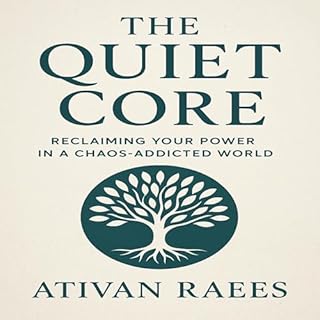
The Quiet Core
- Reclaiming Your Power in a Chaos-Addicted World
- Auteur(s): Ativan Raees
- Narrateur(s): Robyn Green
- Durée: 1 h et 2 min
- Version intégrale
-
Au global0
-
Performance0
-
Histoire0
You did everything right. You got the degree, chased the promotion, and optimized your calendar. So why do you feel like you’re fighting for survival? We live in an age of unprecedented noise. From the moment we wake up, we are bombarded by notifications, demands, and the curated highlight reels of other people’s lives. We wear "busy" like a badge of honor, terrified that if we stop moving, we will cease to matter. But running faster on a hamster wheel doesn’t get you to the destination. It just wears out the bearings.
Auteur(s): Ativan Raees

-
The Anchor
- How to Stay Focused, Deeply Present, and Emotionally Grounded in a World Designed to Distract You
- Auteur(s): Kyle Mayers
- Narrateur(s): Robyn Green
- Durée: 1 h et 3 min
- Version intégrale
-
Au global0
-
Performance0
-
Histoire0
The Anchor is the book for the exhausted dreamer who refuses to let another year disappear into notifications. Kyle Mayers (a former dopamine addict who once prided himself on answering emails in 30 seconds) gives you the exact playbook he used to reclaim his attention, produce his best work, and finally feel calm in a world engineered to keep you frantic.
Auteur(s): Kyle Mayers

-
The Impact of Globalization on Fashion
- Trends, Markets, and Cultural Exchange
- Auteur(s): Herbert V. Badgett
- Narrateur(s): Robyn Green
- Durée: 1 h et 1 min
- Version intégrale
-
Au global0
-
Performance0
-
Histoire0
The Impact of Globalization on Fashion: Trends, Markets, and Cultural Exchange investigates how the fashion business has grown into a truly global stage where innovation, commerce, and culture coexist. This fascinating look at how globalization has altered the way we design, manufacture, and consume clothing, affecting both the luxury and fast-fashion industries. Fashion is no longer limited to a particular place or culture but rather to a shared lexicon of identification and creativity that includes Paris, Tokyo, Milan, and Mumbai.
Auteur(s): Herbert V. Badgett

-
The Architecture of Belonging
- How to Build a Village in an Age of Isolation
- Auteur(s): Romesh Pawar
- Narrateur(s): Robyn Green
- Durée: 1 h et 2 min
- Version intégrale
-
Au global0
-
Performance0
-
Histoire0
You don't find friends. You build them. In an age of ambient loneliness, where scheduled coffee dates replace spontaneous connection and social media "likes" substitute for real belonging, The Architecture of Belonging provides the blueprint for creating community that lasts.
Auteur(s): Romesh Pawar

-
The Unburdened Mind
- A Guide to Healing Emotional Burnout and Reclaiming Your Ambition
- Auteur(s): Marcus David
- Narrateur(s): Robyn Green
- Durée: 1 h et 1 min
- Version intégrale
-
Au global0
-
Performance0
-
Histoire0
If you’re a driven young professional, student, or entrepreneur between 18 and 35 who feels crushed by exhaustion, cynicism, and a fading spark despite working harder than ever this audiobook is your lifeline. In The Unburdened Mind, Marcus David cuts through the noise of hustle culture to reveal the hidden mechanics of emotional burnout: why constant productivity backfires, how digital overload fragments your focus, and why self-criticism is quietly draining your life force. This isn’t another productivity hack audiobook.
Auteur(s): Marcus David

-
The Alphabetical Labyrinth
- How Social Media Algorithm Plots What You Seek and Share
- Auteur(s): Ericc N. Flores
- Narrateur(s): Robyn Green
- Durée: 1 h
- Version intégrale
-
Au global0
-
Performance0
-
Histoire0
In the age of continuous scrolling and tailored feeds, the stuff we view on the internet is no accident. The Alphabetical Labyrinth: How Social Media Algorithms Plot What You Seek and Share takes you behind the scenes of the intricate algorithms that shape our digital life. This book explains how social media systems choose what shows on your feed, what is magnified, and why some messages pique your interest while others fade away.
Auteur(s): Ericc N. Flores

-
Losing to Find Herself
- A Story of Love, Loss, and Finding Home
- Auteur(s): Nuki King
- Narrateur(s): Barbara Kanninen
- Durée: 5 h et 45 min
- Version intégrale
-
Au global0
-
Performance0
-
Histoire0
Elena believed she had built a life on love — a family, a home, a future that felt secure. Until betrayal shattered everything she thought she knew. Searching for clarity, she travels to Istanbul, where an unexpected encounter awakens a forgotten childhood dream. From the magical landscapes of Cappadocia to the timeless beauty of the Bosphorus, Elena begins to understand that loss can also open the door to transformation.
Auteur(s): Nuki King