• Violet Lim: Founding Asia’s Largest Matchmaker, Dating Stigma vs. Coaching and AI Romance Companions - E653
    Dec 17 2025
    Violet Lim, Co-Founder & CEO of Lunch Actually Paktor Group, and Jeremy Au explore how dating, expectations, and technology have evolved across Southeast Asia over the past two decades. Violet traces her path from studying law in the UK to banking in Singapore, before leaving a stable career at 24 to start Lunch Actually, now one of Asia’s longest-running matchmaking groups. They discuss the early stigma around dating services, why lunch dating worked as a low-pressure solution for busy professionals, and the realities of expanding across markets like Malaysia, Hong Kong, and Taiwan. Their conversation digs into why some people find partners quickly while others repeat the same patterns, how coaching closes gaps in mindset and behavior, and why surface-level filters often block long-term compatibility. They also examine how dating apps reshaped expectations, how Gen Z, millennials, and Gen X approach dating differently, and how AI companionship is beginning to challenge traditional ideas of intimacy, loneliness, and commitment. 01:45 How she met her husband: Violet recounts meeting her university sweetheart through student society events, ICQ conversations, and a first lunch date that later inspired her business model. 03:35 Identifying the dating gap: While rotating through Citibank, Violet notices many eligible colleagues are single and constantly busy, realizing lunch is often the only time people can realistically meet someone new. 06:23 Quitting at 24 despite stigma: Violet explains why she chose not to practice family law, moved into HR and banking, and faced deep cultural resistance to matchmaking before deciding to go all in. 15:43 Overcoming early barriers: Advertisers refuse to run dating ads, landlords reject office rentals, clients hide to avoid being seen, and a bold half-empty newspaper ad becomes the breakthrough moment. 18:39 Scaling across Asia: Singapore and Malaysia grow naturally, Hong Kong requires language and cultural adaptation, and Taiwan fails when the team realizes the concept of dating does not yet exist in the market. 31:21 Coaching drives successful matches: Violet explains why some clients succeed quickly while others stall, leading to mindset coaching, image support, and WhatsApp critique to fix blind spots. 42:16 AI reshapes emotional norms: Violet describes how abundance, analysis paralysis, fear of better options, and AI companionship are changing how people define connection and commitment. Watch, listen or read the full insight at https://www.bravesea.com/blog/violet-lim-modern-matchmaking WhatsApp: https://whatsapp.com/channel/0029VakR55X6BIElUEvkN02e TikTok: https://www.tiktok.com/@jeremyau Instagram: https://www.instagram.com/jeremyauz Twitter: https://twitter.com/jeremyau LinkedIn: https://www.linkedin.com/company/bravesea Spotify English: https://open.spotify.com/show/4TnqkaWpTT181lMA8xNu0T Bahasa Indonesia: https://open.spotify.com/show/2Vs8t6qPo0eFb4o6zOmiVZ Chinese: https://open.spotify.com/show/20AGbzHhzFDWyRTbHTVDJR Vietnamese: https://open.spotify.com/show/0yqd3Jj0I19NhN0h8lWrK1 YouTube English: https://www.youtube.com/@JeremyAu?sub_confirmation=1 Apple Podcast English: https://podcasts.apple.com/sg/podcast/brave-southeast-asia-tech-singapore-indonesia-vietnam/id1506890464 #DatingInAsia #ModernLove #Matchmaking #DatingApps #GenZDating #AIFuture #HumanConnection #Relationships #Loneliness #BRAVEpodcast
    Voir plus Voir moins
    1 h
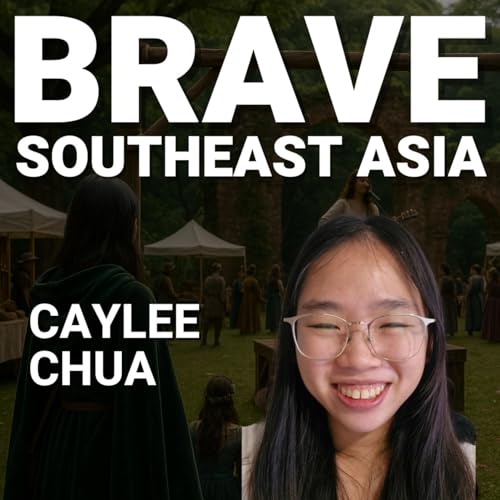
  • Caylee Chua: Singapore’s First Renaissance Fair, Creative Grit and How a 24-Year-Old Built a New Festival Culture – E652
    Dec 15 2025
    Caylee Chua, multidisciplinary artist and founder of Strawberry Champagne Sparkles, joins Jeremy Au to share how she built Ren Faire SG: The Origin from a niche idea into Singapore’s first Renaissance Fair. She traces her journey from crafting fairycore jewelry to designing an immersive festival that blends artistry, performance, and community play. Caylee explains how early inspiration from overseas fairs sparked her vision, how months of quiet TikTok posts built the first wave of support, and how strict venue rules forced her to redesign logistics with precision. They discuss why Singaporeans crave spaces for imagination, how grassroots creativity grows when subcultures meet, and why young founders can move fast even without industry backing. Their conversation explores the mix of cosplay, crafts, DnD, book culture, and youth communities that shaped the fair, the emotional work behind cold outreach and rejections, and the courage required to keep building when early metrics stay small. Caylee also reflects on curating performers, choosing Fort Canning as her launch venue, and creating an accessible fairytale aesthetic that encourages families and newcomers to rediscover wonder through craftsmanship and play. 01:59 Discovering Renaissance Fairs through global festivals: Caylee explains how US and European fairs mix historical reenactments, fantasy costumes, live music, and immersive outdoor spaces. 07:35 Planning logistics under strict rules: She walks through tough constraints from the parks authority, including truck access limits, safety marshals, tree buffers, and weekday-only setup windows. 09:51 Choosing Fort Canning after venue rejections: Other parks blocked her plans, Marina Barrage felt too modern, and only one Fort Canning lawn delivered both ambience and affordability. 12:03 Designing a fairytale-first theme: She leans into approachable fairytale fantasy so families, casual fans, and newcomers feel welcome without needing deep fandom knowledge. 15:20 Curating performers with an open call: She reviews video auditions, selects musicians and street cast with the right energy, and balances skill, costume fit, and stage flow. 18:29 Building early marketing momentum: She starts socials early, grows an email list, mobilizes supporters to reshare posts, and uses community filming to power Instagram and TikTok reach. 28:48 Staying brave when early posts fall flat: She pushes through silence, posts daily despite tiny views, and keeps her conviction until the algorithm and word of mouth finally amplify her work. Watch, listen or read the full insight at https://www.bravesea.com/blog/caylee-chua-magic-in-singapore Get transcripts, startup resources & community discussions at www.bravesea.com WhatsApp: https://whatsapp.com/channel/0029VakR55X6BIElUEvkN02e TikTok: https://www.tiktok.com/@jeremyau Instagram: https://www.instagram.com/jeremyauz Twitter: https://twitter.com/jeremyau LinkedIn: https://www.linkedin.com/company/bravesea Spotify English: https://open.spotify.com/show/4TnqkaWpTT181lMA8xNu0T Bahasa Indonesia: https://open.spotify.com/show/2Vs8t6qPo0eFb4o6zOmiVZ Chinese: https://open.spotify.com/show/20AGbzHhzFDWyRTbHTVDJR Vietnamese: https://open.spotify.com/show/0yqd3Jj0I19NhN0h8lWrK1 YouTube English: https://www.youtube.com/@JeremyAu?sub_confirmation=1 Apple Podcast English: https://podcasts.apple.com/sg/podcast/brave-southeast-asia-tech-singapore-indonesia-vietnam/id1506890464 #RenaissanceFairSG #CreativeFounders #GrassrootsCulture #FestivalBuilders #ArtMeetsCommunity #YouthEntrepreneurs #BuildingInPublic #CreatorEconomySEA #SingaporeCulture #BRAVEpodcast
    Voir plus Voir moins
    36 min
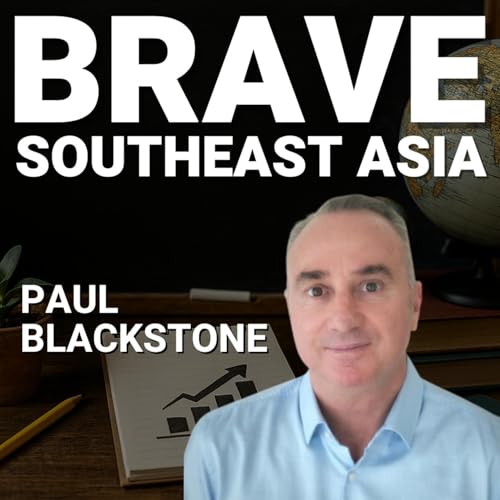
  • Paul Blackstone: Global EdTech Lessons, China’s Hypergrowth Era and Why Mindset Beats Curriculum – E651
    Dec 12 2025

    Paul Blackstone, longtime education operator and founder of SummitLearn, joins Jeremy Au to unpack his path from running a small health-food shop in Australia to leading one of China’s largest English-learning organizations and advising education companies worldwide. He shares how early failures taught him to learn fast, why teaching adults unlocked his passion for human development, and how China’s boom years shaped his leadership approach. They discuss how culture and discipline drive scale more than perfect products, why schools struggle to build creativity and mindset, and how parents can raise independent kids in an AI-first world. Their conversation explores the tension between academic metrics and behavioral growth, the power of founder-led culture in scaling teams, and why entrepreneurship can thrive both inside companies and in startup life. Paul also reflects on world-schooling his children, building Curio to fill classroom gaps, and why resilient learners will define the next generation.


    01:20 Teaching sparks purpose: Paul discovers a powerful energy exchange with adult learners which anchors his lifelong commitment to education.

    03:42 Early founder hardship builds awareness: Running a health-food shop from age 24 forces him to confront gaps in knowledge and learn real operational discipline.

    07:14 A mis-hire becomes a breakthrough: Rejected as a teacher, Paul is instead hired as center manager and sent to Barcelona which launches his education leadership journey.

    12:05 China becomes the rocket ship: Beijing’s hypergrowth teaches him how culture, discipline and incentives scale teams faster than perfect pedagogy.

    16:31 Performance culture drives results: Paul learns that resilient teams, strong habits and founder-aligned values matter more than any technical playbook.

    22:21 Curio fills a missing layer: Seeing schools overlook mindset, creativity and curiosity, he creates a program that develops behavioral skills for children across multiple countries.

    26:36 Independence shapes future learners: A year of world-schooling shows him that real-world exposure and discomfort accelerate resilience and academic growth.

    Watch, listen or read the full insight at https://www.bravesea.com/blog/paul-blackstone-mindset-over-method


    #EdTechLeadership #FounderJourney #ChinaHypergrowth #MindsetMatters #ParentingAndLearning #GlobalEducation #ScalingStartups #FutureOfLearning #EntrepreneurialMindset #BRAVEpodcast


    Voir plus Voir moins
    37 min
  • Maged Harby: Inside Middle East EdTech, Egypt’s Talent Engine and How Localization Decides Startup Success – E650
    Dec 7 2025
    Maged Harby, General Partner at VMS, joins Jeremy Au to share his journey from publishing to building one of the Middle East’s earliest EdTech venture programs, explain how Egypt and Saudi Arabia differ as innovation ecosystems, and guide founders on how to enter the region with cultural fit and strong partnerships. They discuss how EdTech adoption accelerated during COVID, why parents still steer children toward traditional fields, and how Gen Z is shifting toward entrepreneurship. Their conversation explores the contrast between Egypt’s talent depth and Saudi Arabia’s purchasing power, the need for localization in pricing and UX, and why Middle Eastern markets must be treated as distinct rather than homogeneous. Maged also outlines what he hopes to see next in personalized learning and why teacher training remains the region’s biggest unlock. 00:25 VMS: Corporate Venture studio based in Saudi Arabia and provide several program to help and support startup to grow such as Bridge program that support startups that need to expand their business to Saudi Arabia and other programs 03:00 Parents push traditional paths: Egypt’s university admissions are rigid and most families still guide children toward engineering or medicine. 07:00 EdVentures built from zero: Maged grew EdVentures into a major EdTech incubator and accelerator with more than 90 graduated startups and 23 investments. 14:00 Gen Z shifts to entrepreneurship: Young people are increasingly drawn to building startups and solving real problems instead of following traditional job tracks. 16:00 Localization defines success: Middle Eastern markets differ in pricing, UX, language and regulation which makes adaptation essential for expansion. 19:00 Competition varies by country: FinTech is saturated in Saudi Arabia while EdTech and health tech remain more open in Egypt and the UAE. 27:00 Teacher quality is the bottleneck: Universities must modernize teacher training so classrooms can match Gen Z and Gen Alpha digital habits. Watch, listen or read the full insight at https://www.bravesea.com/blog/maged-harby-middle-east-playbook Get transcripts, startup resources & community discussions at www.bravesea.com WhatsApp: https://whatsapp.com/channel/0029VakR55X6BIElUEvkN02e TikTok: https://www.tiktok.com/@jeremyau Instagram: https://www.instagram.com/jeremyauz Twitter: https://twitter.com/jeremyau LinkedIn: https://www.linkedin.com/company/bravesea English: Spotify | YouTube | Apple Podcasts Bahasa Indonesia: Spotify | YouTube | Apple Podcasts Chinese: Spotify | YouTube | Apple Podcasts Vietnamese: Spotify | YouTube | Apple Podcasts #MiddleEastTech #EdTechInnovation #SaudiArabiaStartups #EgyptEcosystem #GenZEntrepreneurs #LocalizationStrategy #VentureStudios #GCCExpansion #PersonalizedLearning #BRAVEpodcast
    Voir plus Voir moins
    32 min
  • Chong Ing Kai: Chopstick Robots, ADHD Grit and Why Tinkering Beats Traditional STEAM – E649
    Dec 3 2025
    Chong Ing Kai Founder and CEO of Stick’Em joins Jeremy Au to unpack how tinkering shaped his early years, how ADHD influenced his learning journey, and why he built a chopstick robotics kit to make STEAM education affordable for all. They explore how schools struggle with hands-on learning, why teachers need flexible tools rather than rigid kits, and how students learn better when they build instead of follow instructions. Their discussion covers the rise of open-ended tinkering, the pitfalls of screen-first childhoods, and the structural challenges of selling innovation into schools. Kai also shares how Stick’Em grew from a hundred-dollar prototype to a company used by thousands of students and how winning the Hult Prize at 22 changed his plans for global expansion. 02:42 Schools lacked quality STEAM programs: While working as a robotics trainer, Kai notices that schools rely on vendors who are businessmen rather than educators, creating weak learning experiences. 04:54 Chopsticks unlock creativity for kids: Kai shares why Stick’Em uses chopsticks, how they are cheap, sturdy, and open-ended, and how kids build robots, weapons, helicopters, and costumes in early tests. 07:05 Teachers adopt Stick’Em when it fits their real lessons: He explains how teachers use Stick’Em inside core subjects like social studies, ICT, science, and mother tongue — not just in after-exam activities. 11:38 Modern dopamine loops hit ADHD harder: Kai goes deep into TikTok, gaming, poor sleep, and how dopamine addiction creates pitfalls for impulsive students — plus how he manages these triggers as a founder. 18:48 Shifting the business model to recurring school revenue: Kai explains why selling hardware once was unsustainable and how Stick’Em now targets booklist placement so every P3 student receives a kit yearly. 29:39 Winning the Hult Prize transforms the company’s scale: He recounts entering the competition for mentorship, making semifinals and finals, and ultimately winning the million-dollar global prize because of traction and clarity. Watch, listen or read the full insight at https://www.bravesea.com/blog/chong-ing-kai-chopstick-engineering Get transcripts, startup resources & community discussions at www.bravesea.com WhatsApp: https://whatsapp.com/channel/0029VakR55X6BIElUEvkN02e TikTok: https://www.tiktok.com/@jeremyau Instagram: https://www.instagram.com/jeremyauz Twitter: https://twitter.com/jeremyau LinkedIn: https://www.linkedin.com/company/bravesea English: Spotify | YouTube | Apple Podcasts Bahasa Indonesia: Spotify | YouTube | Apple Podcasts Chinese: Spotify | YouTube | Apple Podcasts Vietnamese: Spotify | YouTube | Apple Podcasts #STEMeducation #TinkeringMindset #ChopstickRobotics #GenZFounders #ADHDJourney #HandsOnLearning #EdTechInnovation #ParentingInTech #FutureOfLearning #BRAVEpodcast
    Voir plus Voir moins
    35 min
  • Shan Han: Crypto Lessons, Boom Bust Belief and Funding Students the Web3 Way – E648
    Nov 30 2025
    Portfolio Manager at Animoca Brands and former Chief Investment Officer at Node Capital, Shan Han joins Jeremy Au to trace his path from Hong Kong trading to fintech and Web3, discuss how early crypto grew from ideology, and explain why tokenizing assets like student loans can unlock education across Southeast Asia. They explore how customer urgency validates real problems, how global liquidity reshapes emerging markets, and how regulation and permissioned systems will define the future of crypto. Shan also reflects on leaving hedge funds to build companies that solve urgent needs. 06:00 First startup taught real founder lessons: Shan overbuilt the product and underinvested in speaking to customers, which he now sees as his biggest early mistake. 09:00 ICO wave created opportunity and chaos: Node Capital traded markets and backed early tokens as crypto cycles repeated with massive upside and sharp crashes. 10:00 SME lending proved a painkiller need: Borrowers called him for loans before a product even existed, showing that real demand always leads. 14:00 Tokenized student loans expand access: Global liquidity meets local underwriting so students in the Philippines and Indonesia receive financing they previously could not access. 14:55 Benefits emerge for investors, lenders, and borrowers: On-chain capital finds high-quality yield, local lenders scale faster, and students get more affordable financing. 17:15 Blockchain reshapes student loan markets: Unified liquidity, alternative credit models, and on-chain verification make lending systems more efficient and more inclusive. 22:00 Every major asset will become tokenized: Stablecoins lead the way, followed by T Bills and real-world assets as liquidity and tradability improve. 29:00 Courage means leaving comfort for impact: Shan left a hedge fund he loved to build companies because solving real problems mattered more than staying safe. Watch, listen or read the full insight at https://www.bravesea.com/blog/shan-han-tokenize-real-life Get transcripts, startup resources & community discussions at www.bravesea.com WhatsApp: https://whatsapp.com/channel/0029VakR55X6BIElUEvkN02e TikTok: https://www.tiktok.com/@jeremyau Instagram: https://www.instagram.com/jeremyauz Twitter: https://twitter.com/jeremyau LinkedIn: https://www.linkedin.com/company/bravesea English: Spotify | YouTube | Apple Podcasts Bahasa Indonesia: Spotify | YouTube | Apple Podcasts Chinese: Spotify | YouTube | Apple Podcasts Vietnamese: Spotify | YouTube | Apple Podcasts #Web3 #DeFi #Tokenization #StudentLoans #EmergingMarkets #CryptoEducation #FintechInnovation #DigitalAssets #FutureOfFinance #BRAVEpodcast
    Voir plus Voir moins
    33 min
  • Jianggan Li: China vs. USA Tactical Pause, Moves vs. Countermoves & Rare Earths Leverage – E647
    Nov 26 2025
    China analyst and Momentum Works founder Jianggan joins Jeremy Au to break down how US–China tensions evolved through a year of tariffs, rare earth leverage, supply chain shocks, and fast-moving geopolitical swings. They examine why both sides misread each other, how Chinese companies adapted faster than expected, and why the global system settled into a tactical pause instead of a decisive split. Their discussion shows how on-the-ground China differs from Western narratives, how product iteration and factory conditions changed under competitive pressure, and why neither side can force a quick victory. Jianggan also shares insights from thirteen trips across China as he tracks e-commerce exporters, shifting macro sentiment, and the emerging negotiation patterns that shape 2026. 02:28 US tariffs aimed to hurt China but failed to break its exporters: Chinese firms diversified markets, adjusted production, and kept shipping strong volumes even as analysts expected collapse. 03:08 China deployed rare earths and soybeans as leverage: Beijing used export controls, licensing rules, and supply pivots to respond in structured tit for tat moves that surprised US policymakers. 07:04 A tactical pause replaced escalation: Both sides realized they could not win quickly, creating a fragile equilibrium shaped by low trust but stable expectations. 10:06 Factory floors tell a different story: Air-conditioned warehouses, livestreamed food production, one dollar meals, and rising worker savings show a more complex China than what headlines describe. 21:12 Chinese product cycles sped up dramatically: Exporters improved quality within a year, added more features, and stayed cheaper, putting global incumbents under real pressure. 26:26 Narratives on both sides miss the nuance: Sensational media framing and echo chambers make Americans underestimate China and make Chinese underestimate America. 29:06 TikTok deal shows coexistence is possible: Restructuring turned adversaries into stakeholders and created a template for how cross-border platforms can operate under political pressure. Watch, listen or read the full insight at https://www.bravesea.com/blog/jianggan-li-chinas-counterplay Get transcripts, startup resources & community discussions at www.bravesea.com WhatsApp: https://whatsapp.com/channel/0029VakR55X6BIElUEvkN02e TikTok: https://www.tiktok.com/@jeremyau Instagram: https://www.instagram.com/jeremyauz Twitter: https://twitter.com/jeremyau LinkedIn: https://www.linkedin.com/company/bravesea English: Spotify | YouTube | Apple Podcasts Bahasa Indonesia: Spotify | YouTube | Apple Podcasts Chinese: Spotify | YouTube | Apple Podcasts Vietnamese: Spotify | YouTube | Apple Podcasts #USChinaRelations #Geopolitics #ChinaEconomy #TradeWar #RareEarths #GlobalSupplyChains #SoutheastAsiaTech #TariffTalks #MarketDynamics #BRAVEpodcast
    Voir plus Voir moins
    36 min
  • Kristie Neo: Middle East & China Partnership Acceleration, Secret Power Corridors Reshaping Global Markets & AI Megaprojects – E646
    Nov 23 2025
    Jeremy Au and Kristie Neo break down how China, the Middle East, and Southeast Asia are forming new economic corridors that reshape trade, capital movement, and technology strategy. They describe how China and the Gulf now work together at a scale that surpasses Gulf–West flows, how the UAE and Saudi Arabia use bold planning to diversify their economies, and why Western reporting still misses the magnitude of this shift. They examine how Chinese overcapacity fuels Middle Eastern mega projects, how sovereign funds on both sides deepen cross investment, and how AI, data centers, and energy abundance position the Gulf as a future compute hub. Kristie also outlines the gap between vision and execution in projects like NEOM, while Jeremy reflects on how these moves echo earlier global cycles. 00:55 Trade flows flipped direction. China Gulf commerce surpassed Gulf West trade in 2024 because Chinese overcapacity met Gulf demand for infrastructure, construction, and technology. 02:18 Media exposure hides the scale of change. Western and Chinese outlets lack global reach in covering Middle East China ties, which keeps the shift underreported. 08:56 UAE applied the Singapore playbook. Pro business policies, low tax systems, and investor friendly rules drew global hedge funds, family offices, and operators to Dubai and Abu Dhabi. 14:51 Qatar’s World Cup showed the model. Gulf capital combined with Chinese labor and construction speed to complete major stadium projects on compressed timelines. 25:32 Sovereign funds deepened two way flows. Middle Eastern allocators increased exposure to Chinese assets as both sides diversified away from US denominated risk. 40:12 AI infrastructure became a national priority. Gulf governments invested heavily in data centers and chip capacity by pairing cheap energy with large land availability. 54:23 NEOM revealed ambition and friction. The 120 kilometer enclosed city concept captured Saudi Arabia’s vision but faced delays that showed how difficult execution can be. Watch, listen or read the full insight at https://www.bravesea.com/blog/kristie-neo-accelerating-middle-east Get transcripts, startup resources & community discussions at www.bravesea.com WhatsApp: https://whatsapp.com/channel/0029VakR55X6BIElUEvkN02e TikTok: https://www.tiktok.com/@jeremyau Instagram: https://www.instagram.com/jeremyauz Twitter: https://twitter.com/jeremyau LinkedIn: https://www.linkedin.com/company/bravesea English: Spotify | YouTube | Apple Podcasts Bahasa Indonesia: Spotify | YouTube | Apple Podcasts Chinese: Spotify | YouTube | Apple Podcasts Vietnamese: Spotify | YouTube | Apple Podcasts #ChinaGulfCorridor #MiddleEastTech #GlobalSouthShift #GeopoliticsAndTech #SovereignWealthFlows #AIEnergyFuture #DubaiSingaporePlaybook #ChinaOvercapacity #EmergingMarketTrends #BRAVEpodcast
    Voir plus Voir moins
    1 h