Obtenez 3 mois à 0,99 $/mois

OFFRE D'UNE DURÉE LIMITÉE
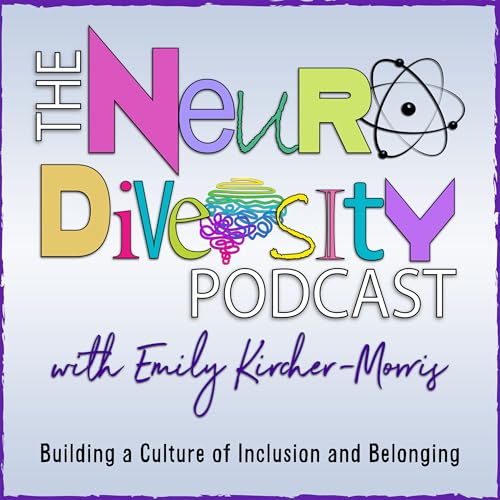
Page de couverture de Neurodiversity Podcast

Neurodiversity Podcast

Neurodiversity Podcast

Auteur(s): Emily Kircher-Morris
Écouter gratuitement

À propos de cet audio

The Neurodiversity Podcast talks with leaders in the fields of psychology, education, and beyond, about positively impacting neurodivergent people. Our goal is to reframe differences that were once considered disabilities or disorders, promote awareness of this unique population, and improve the lives of neurodivergent and high-ability people.2022 Neurodiversity Alliance Hygiène et mode de vie sain Neurodiversité Psychologie Psychologie et santé mentale Relations Éducation des enfants
Épisodes
  • Rejection Sensitivity Dysphoria with Dr. Bill Dodson (reprise)
    Dec 4 2025

    Emily Kircher-Morris and Dr. William Dodson have a conversation about the complexities of ADHD, in which they discuss emotional dysregulation, Rejection Sensitivity Dysphoria (RSD), and social anxiety. They talk about how RSD manifests in ADHDers, and how we can distinguish it from social anxiety. They also explore the impact of childhood experiences, the vital role of relationships, and the need for updated diagnostic criteria. This conversation was taken from a two-part series earlier in 2025.

    TAKEAWAYS

    • Emotional dysregulation is often overlooked in ADHD diagnoses.

    • RSD is a specific condition affecting many with ADHD; the pain can be both emotional and physical, leading to significant life impairments.

    • Social anxiety is anticipatory, while rejection sensitivity is reactive; they can coexist but are distinct.

    • Childhood experiences can exacerbate RSD but are not the sole cause.

    • Medication, alongside sleep, nutrition, structure, and routine, plays a vital role in emotional regulation.

    • Mood disorders can manifest independently of external events, and a significant percentage of individuals with ADHD have coexisting psychiatric diagnoses.

    • Understanding RSD is essential for clinicians, and psychoeducation is key to self-advocacy.

    Here's the research project Emily mentions in her closing thoughts.

    Dr. Bill Dodson is a board-certified adult psychiatrist who has specialized in adults with Attention Deficit/Hyperactivity Disorder for the last 27 years.

    In recognition of his clinical contributions to the field of ADHD he was named a Life Fellow of the APA in 2012. He was the 2006 recipient of the national Maxwell J. Schleifer Award for Distinguished Service to Persons with Disabilities.

    His contributions to the field of ADHD include:

    • The only currently available methodology for the fine-tuning of ADHD medications.

    • The concept of Rejection Sensitivity Dysphoria and its treatment with medications.

    • The first non-behavioral theory of what ADHD is and how it can be treated successfully with an emphasis on what goes right rather than what goes wrong.

    BACKGROUND READING

    Bill Dodson's website, Dr Dodson's contributions to ADDitude magazine

    Voir plus Voir moins
    57 min
  • Building a Culture of Inclusion and Belonging
    Nov 25 2025

    Emily Kircher-Morris is joined by Tim Villegas, the Director of Communications at the Maryland Coalition for Inclusive Education (MCIE) and the founder and host of the Think Inclusive Podcast, to discuss the concept of inclusion in education. The idea is to create inclusive environments for all students, and Tim shares his personal journey toward that goal, and insights on how to create such an environment. They talk about the importance of community, equity, and meaningful contributions in schools, as well as the challenges faced in inclusive classrooms.

    TAKEAWAYS

    • Inclusion is a powerful word that means different things to different people.

    • School should be a place where everyone belongs, regardless of their needs.

    • Being fair means providing everyone with what they need, not just the same thing.

    • Community plays a crucial role in fostering inclusion in schools.

    • Inclusion is not just about placing students in general education settings; it's about creating supportive environments.

    • Schools should aim to be more like real life, accommodating all learners.

    For information about the variety of courses for teachers, parents, and mental health professionals through the Neurodiversity University, check the info page on our website.

    Tim Villegas is the Director of Communications at the Maryland Coalition for Inclusive Education (MCIE) and the founder and host of the Think Inclusive Podcast, a long-running show dedicated to building bridges between families, educators, and advocates in the disability and inclusion space. With a background as a special education teacher and instructional coach, Tim brings over a decade of classroom experience to his work in advancing equity and inclusive practices in schools.

    Through his leadership at MCIE and his widely respected podcast, Tim has become a national voice for inclusive education—amplifying the stories, research, and strategies that help create learning environments where all students belong. His work focuses on shifting mindsets, promoting systemic change, and centering the lived experiences of students with disabilities and their families.

    BACKGROUND READING

    Tim's links and info

    If you'd like members of your organization, school district, or company to know more about the subjects discussed on our podcast, Emily Kircher-Morris provides keynote addresses, workshops, and training sessions worldwide, in-person or virtually. You can choose from a list of established presentations, or work with Emily to develop a custom talk to fit your unique situation. To learn more, visit our website.

    The Neurodiversity Podcast is on Facebook, Instagram, BlueSky, and you're invited to join our Facebook Group.

    Voir plus Voir moins
    38 min
  • Late Diagnosis ADHD: Looking Back for Context, Looking Forward for Clarity
    Nov 6 2025

    Today, Emily Kircher-Morris talks with Carla Ciccone, a Toronto-based writer and author of the book Nowhere Girl, about her experiences with ADHD, identity, and motherhood. Carla talks about dealing with her late diagnosis of ADHD, and the overall impact of societal expectations on women. They talk about the difficulties of navigating life with undiagnosed ADHD, how it increases the challenges of parenting, and the importance of self-awareness and therapy in managing ADHD symptoms.

    TAKEAWAYS

    • When you realize you've had ADHD all along, allow yourself grief and grace.

    • Therapy can be a critical tool for understanding and managing ADHD as an adult.

    • Motherhood can look completely different through the lens of ADHD.

    For information about the variety of courses for teachers, parents, and mental health professionals through the Neurodiversity University, check the info page on our website.

    Carla Ciccone is a Toronto-based writer whose work spans memoir, cultural commentary, and reported nonfiction. She is the author of Nowhere Girl, a powerful debut that blends personal narrative with investigative reporting to explore her experience of living with undiagnosed ADHD. Through sharp insight and humor, Carla sheds light on the challenges of late diagnosis and the complexities of navigating neurodivergence in a world that often overlooks it.

    In addition to her book, Carla's writing has appeared in a range of publications, where she explores topics related to identity, mental health, and gender. With Nowhere Girl, she offers a resonant, deeply personal account that has sparked conversations about how ADHD—especially in women—can remain hidden for years.

    BACKGROUND READING

    Carla on Instagram, Carla's website, Nowhere Girl: Random House, Amazon

    If you'd like members of your organization, school district, or company to know more about the subjects discussed on our podcast, Emily Kircher-Morris provides keynote addresses, workshops, and training sessions worldwide, in-person or virtually. You can choose from a list of established presentations, or work with Emily to develop a custom talk to fit your unique situation. To learn more, visit our website.

    The Neurodiversity Podcast is on Facebook, Instagram, BlueSky, and you're invited to join our Facebook Group.

    Voir plus Voir moins
    35 min
Pas encore de commentaire