Page de couverture de Those Weekend Golf Guys

Those Weekend Golf Guys

Those Weekend Golf Guys

Auteur(s): Those Weekend Golf Guys Bleav
Écouter gratuitement

À propos de cet audio

Take a Golf Magazine Top 100 teacher, Jeff Smith ( (http://jeffsmithgolfinstruction.com) and pair him with an outstanding radio personality and you have the formula for one helluva Golf Talk Radio Show. John Ashton (the show host) has enjoyed success as a morning personality on radio stations from Bangor, Maine to Dallas, Texas. He’s also embarrassed himself on many golf courses in the same locations. John is a hacker, struggling to break 80 (OK, 90) but has a passion and enjoyment of the game, a skewed sense of humor and an outlook that makes this the most entertaining Golf Show around.Jeff Smith, PGA enjoys the innate ability to create word pictures so, even on the radio, his tips and techniques to improve your game are clear, easy to follow and help listeners cut strokes on their very next round.© 2024 Those Weekend Golf Guys Golf
Épisodes
  • What NOT To Give A Golfer For Christmas
    Dec 14 2025

    00:00 Introduction and Hosts
    00:30 IU Football Excitement
    02:23 National Championship Hopes
    03:50 Heisman Trophy Talk
    05:28 Notre Dame Controversy
    07:48 Christmas Golf Gifts
    08:34 Golf Lessons as Gifts
    18:13 Golf Merchandise Tips
    23:39 Wrapping Up Golf Gifts
    24:00 Foreclosure Protection Services Ad
    25:08 More Christmas Gift Ideas for Golfers
    26:38 Golf Accessories and Comfort Items
    31:45 Golf Attire and Apparel
    37:30 The Importance of Getting Fitted for Clubs
    42:29 Wedge Instruction and Tips
    47:09 Final Thoughts and Holiday Wishes


    Hosted by Simplecast, an AdsWizz company. See pcm.adswizz.com for information about our collection and use of personal data for advertising.

    Voir plus Voir moins
    48 min
  • Twelve Years, Fuzzy's Legacy, and the Back Injury Crisis in Modern Golf
    Dec 7 2025

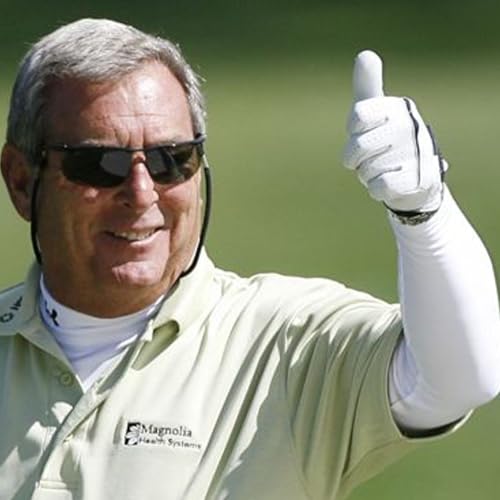
    John Ashton and Top 100 teacher Jeff Smith reflect on their post-Thanksgiving weekend, discussing the return to golf after the holiday festivities. They reminisce about the beloved "Skins Game," a televised match play golf competition that featured nine holes on Thursday and Friday, where players competed for substantial prize money while being themselves on camera. The hosts pay tribute to Fuzzy Zoeller, the legendary golfer who recently passed away, sharing memorable stories about his infectious humor and charismatic personality. They recall watching Zoeller play tournament golf with genuine enjoyment and spontaneity, including a charming anecdote about fishing at a North Carolina golf course, highlighting how Zoeller brought joy and levity to the game. The speakers reminisce about Fuzzy Zoeller's charismatic personality and his memorable golf course at Covered Bridge, where he hosted the Wolf Challenge tournament. They share anecdotes about Fuzzy's generous nature, including a story where he bought drinks for strangers at his course. The conversation highlights celebrity appearances at the Wolf Challenge, such as Alice Cooper, and a memorable encounter where the speakers transported Greg Norman in a jitney from Indianapolis to the event, during which they witnessed Norman's remarkable tolerance for American beer while remaining completely composed. John and Jeff, hosts of a golf podcast, discuss how Fuzzy Zoeller's comments were taken out of context by media when they were actually jokes that Tiger Woods understood and appreciated. The hosts reflect on their twelve-year podcast journey, which started as a way to make golf tax-deductible after John left radio. They humorously discuss how they've managed to turn their passion for golf into a sustainable venture, joking about potentially becoming "vintage" themselves soon and playfully ribbing each other about their setup differences and physical challenges that come with age. The speakers discuss the rise of back injuries among young professional golfers, using Justin Thomas's recent surgery as an example. They explore whether modern teaching methods, increased athleticism, or more violent swing techniques contribute to these injuries. A golf instructor notes that contemporary players generate swings with greater speed and force than previous generations, combined with higher playing frequency. The conversation raises questions about whether golf instruction bears responsibility for developing safer techniques, and whether the modern athletic approach to golf—where players condition themselves like NFL athletes—might actually be causing more harm through excessive stress on the body. The speakers discuss how modern golf has evolved dramatically, with equipment improvements and athlete development pushing players to achieve unprecedented distances, now exceeding 300 yards as standard. Jeff Smith and John Ashton explore whether the intense physical demands of contemporary golf are causing preventable injuries, comparing the sport to other athletic pursuits. They debate whether golfers are damaging their bodies by performing movements at speeds and frequencies their bodies aren't designed for, contrasting today's explosive athletes with smoother, more fluid swingers like Ernie Els and Fred Couples. The conversation highlights how professional golfers increasingly sacrifice their physical health for competitive success, a trend mirroring injury patterns seen in other sports. The speakers discuss whether the graceful, fluid swings of longer hitters like Payne Stewart and Phil Mickelson are safer than the aggressive, fast swings of younger players like Justin Thomas and Will Zalatoris. They speculate that faster swings may increase injury risk, particularly back injuries, and wonder if younger players are making calculated sacrifices, accepting potential long-term damage in exchange for short-term success and financial gain. The conversation explores how modern physical training at tour stops aims to build both strength and injury protection, with Rory McIlroy exemplifying this philosophy—athletes knowingly push their bodies to dangerous limits to compete at the highest level, accepting injury as an inevitable cost of dominance. The speakers discuss a situation where someone made a straightforward decision to prioritize their own wellbeing and longevity in their career. Rather than viewing this as an excuse, they recognize it as a practical and sensible choice. The speakers appreciate this person's unwillingness to sacrifice their own interests, viewing it as a mature and reasonable approach to protecting their professional future.


    Hosted by Simplecast, an AdsWizz company. See pcm.adswizz.com for information about our collection and use of personal data for advertising.

    Voir plus Voir moins
    45 min
  • Make Golf More Fun - Play Better. It's Easy
    Nov 23 2025

    (00:01) Improving Golf Swings With Proper Setup

    This chapter focuses on the love and passion for golf and the complexities involved in improving one's game. We share a candid exchange about the Indiana Hoosiers and the changes in their sports programs, particularly the unexpected shift from a basketball powerhouse to a promising football team. Amidst the light-hearted sports banter, we address the challenges golfers face with their swings, emphasizing the importance of adapting to one's physical abilities rather than forcing movements that lead to discomfort and injury. By encouraging golfers to swing naturally without the pressure of hitting a ball, we highlight the benefits of finding a comfortable and effective stance to enhance their performance.

    (13:08) Improving Golf Swing With Natural Grip

    This chapter explores the transformative power of a simple grip adjustment in golf, illustrating how a minor change can significantly enhance a player's performance. We discuss the importance of aligning a golfer's grip with their natural arm hang position, allowing for increased swing speed and improved distance without compromising accuracy. Using the example of Intrepid producer Mark, we show how altering his grip enabled him to maintain straight shots while gaining more yardage. Additionally, we provide guidance on how golfers can self-actualize their correct grip by observing the natural orientation of their lead hand and adjusting their hold on the club accordingly. The conversation emphasizes the benefits of these small tweaks, making the game more enjoyable by enhancing performance and keeping competitive dynamics intact.

    (27:43) Using Fun to Improve Golf Performance

    This chapter is all about finding joy in the game of golf, even when it doesn't go as planned. We explore how experimenting with different techniques, like perfecting a punch shot from the trees, can transform a potentially frustrating situation into a fun and rewarding challenge. The conversation highlights the importance of trying new strategies instead of repeating ineffective ones, emphasizing that success is more enjoyable than failure. We also discuss the benefits of practice and how it can build confidence, making it easier to handle tricky situations on the course. Finally, we suggest separating practice time from leisure activities, like enjoying adult beverages, to enhance performance and enjoyment both on and off the golf course.

    (33:39) Designing Golf Courses for Fun

    This chapter is all about elevating your golf game by focusing on the quality of your shots rather than the quantity. I introduce Jeff's fun scale, a unique method for rating your golf shots from one to five, where the focus is on the strike rather than the flight of the ball. We explore how practicing with this mindset helps improve confidence by acknowledging the good shots and minimizing the impact of the less-than-perfect ones. We also discuss the psychology behind golf course design and how visual trickery can influence a golfer's perception of difficulty, ultimately affecting their game experience. The goal is to make golf more enjoyable and to encourage players to come back for more by creating memorable and successful finishes to their rounds.

    (46:48) Relax and Improve Your Golf Swing

    This chapter focuses on improving your golf game by simplifying your practice routine. We explore a straightforward method to boost your skills by recommending that you spend time swinging a club without a ball to loosen up and build confidence. By removing the intimidation factor of the ball, you can focus on maintaining a straight club face aimed at your target. Once you feel comfortable, practice hitting a tee instead of the ball to refine your technique. This approach aims to enhance your performance on the course, ensuring you have more fun and potentially hit the ball farther.


    Hosted by Simplecast, an AdsWizz company. See pcm.adswizz.com for information about our collection and use of personal data for advertising.

    Voir plus Voir moins
    48 min
Pas encore de commentaire