Page de couverture de Crawl Space Ninja Show

Crawl Space Ninja Show

Crawl Space Ninja Show

Auteur(s): Michael Church Founder of Crawl Space Ninja
Écouter gratuitement

À propos de cet audio

Welcome to the Crawl Space Ninja Show with Michael Church, where we break down the real fixes that make your home healthier. Each episode covers practical, proven ways to improve indoor air quality by addressing the attic, basement, and crawl space — the hidden areas that control how your whole home feels and functions.

© 2025 Crawl Space Ninja Show
Hygiène et mode de vie sain
Épisodes
  • From Mold To Market Value: The Real Reasons People Fix Crawl Spaces
    Dec 15 2025

    Send us a text

    The air you breathe and the floors you walk on both depend on what’s happening under your feet. We take you beneath the house to reveal the three real reasons homeowners choose crawl space encapsulation: healthier indoor air, a stronger structure, and smoother real estate transactions. Along the way, we cut through common myths, explain why quick patches often backfire, and share the steps that turn a damp, musty space into a clean, controlled foundation for your home.

    First, we focus on indoor air quality and moisture control. Mold and dust mites thrive when humidity climbs, and the stack effect pulls crawl space air into living areas. We walk through how a sealed vapor barrier, proper air sealing, and a right-sized dehumidifier work together to hold relative humidity near 50 percent. We also dig into soil gases—radon, methane, and other vapors—and why a poorly installed liner can trap contaminants. You’ll hear how sub-membrane ventilation, sump pumps, and drainage upgrades prevent standing water and the odors it brings.

    Next, we turn to structure. Wet wood invites mold, termites, and wood rot fungi, all of which weaken joists and subfloors over time. We outline practical steps to keep wood dry: fix exterior water routes, seal the ground and walls, insulate with the right materials, and maintain stable conditions year-round. This approach preserves load-bearing members, reduces bouncy floors and cupping hardwoods, and can prevent thousands in future repairs.

    Finally, we tackle the real estate reality. Inspectors and appraisers scrutinize crawl spaces, and unresolved moisture or microbial issues can stall or kill a sale. While encapsulation doesn’t automatically raise appraised value, it removes red flags that lead to delays, concessions, and failed closings. We contrast cosmetic band-aids with durable solutions and share the documentation buyers and agents respect: moisture readings, photos, and service plans.

    Support the show

    Check out Michael's book, "Crawl Space Repair Myths-Busted" now available on Amazon!

    Schedule a consultation: https://buymeacoffee.com/csninja/extras

    Need help: https://crawlspaceninja.com or https://supply.crawlspaceninja.com

    Voir plus Voir moins
    5 min
  • Stop Using Your AC To Dry The Basement or Crawl Space
    Dec 10 2025

    Send us a text

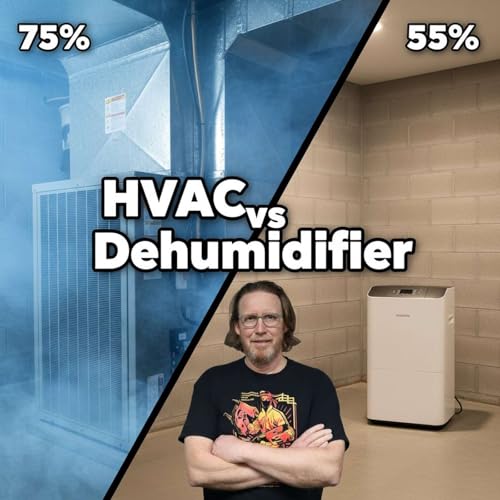
    Cold air can fool you. A basement can feel crisp at 60 degrees while humidity sneaks past 70% and turns prized gear into mold bait. We bring on Alex Hamilton from Aprilaire to demystify why HVAC systems are built to control temperature, not moisture, and how that gap leads to musty smells, surface mold, and ruined finishes in basements and crawl spaces.

    20% OFF DIY Products Code: "youtube" Use at https://supply.crawlspaceninja.com
    10% OFF DIY Mold Testing: https://fas.st/t/8cfyT8P3

    We start with the classic contractor mistake: finishing or encapsulating a space without adding a dehumidifier. Alex explains how added ductwork without resizing the system reduces coil contact time and causes short cycling, which means the AC removes less moisture even if the upstairs feels perfect. Then we dive into a real-world case of a stunning, brand-new basement with humidity near 80%—leather pockets and felt on the pool table blooming with mold—because the basement sat below the thermostat setpoint and the AC rarely ran.

    From there, we break down how dedicated dehumidifiers prioritize relative humidity and dew point, measuring inlet and outlet conditions to condense water efficiently and reheat the air so comfort rises without overcooling. We cover ducted installs from a mechanical room, RH targets for healthy homes, and why sealed basements and crawl spaces need active drying year-round. You’ll learn how reducing moisture can help the AC run less, why the stack effect moves damp air through the whole house, and the simple metrics to watch so you never get blindsided by hidden humidity again.

    If you care about indoor air quality, building durability, and true comfort, this conversation gives you the clear path: seal smart, dry proactively, and stop asking your AC to do a job it wasn’t designed to do. Subscribe, share this episode with a homeowner or contractor who needs it, and leave a review with your biggest humidity headache—we may tackle it next.

    Support the show

    Check out Michael's book, "Crawl Space Repair Myths-Busted" now available on Amazon!

    Schedule a consultation: https://buymeacoffee.com/csninja/extras

    Need help: https://crawlspaceninja.com or https://supply.crawlspaceninja.com

    Voir plus Voir moins
    9 min
  • Dormant Mold, Real Risks, Smart Fixes
    Dec 3 2025

    Send us a text

    ver wondered why “dormant mold” keeps coming back the moment the seasons change? We pull back the curtain on what dormant really means, why 50–55% humidity isn’t a cure by itself, and how a moldy subfloor turns into a hidden hazard when spray foam goes on too soon.

    • 20% OFF DIY Products Code: "youtube" Use at https://supply.crawlspaceninja.com
    • 10% OFF DIY Mold Testing: https://fas.st/t/8cfyT8P3

    AJ joins me to tackle a real homeowner question from a 1927 house with a tight crawl space and visible mold. We break down the fruiting-body concept so you understand what you’re seeing versus what’s inside the wood, then dig into wood moisture content, leak pathways, and the blind spots created by covering the subfloor. You’ll hear why foam is great for targeted air sealing at penetrations and rim joists, but risky when used to blanket a subfloor that hasn’t been remediated and dried. We share simple checks for toilet flange leaks, ice-maker lines, laundry connections, and bath drains—plus why you should listen for drip sounds on plastic ground covers as an early warning.

    From there we lay out the correct order of operations: remove visible growth, eliminate the moisture source, apply a root-killing treatment, verify dryness with a moisture meter, then insulate smart. Instead of burying problems, focus on sealing big gaps, insulating crawl space walls to reduce the stack effect, and keeping the subfloor visible for inspection. We talk practical targets for wood moisture, sizing dehumidification, and how to balance energy savings with long-term durability in older homes.

    If you’ve ever been told to “just keep humidity under 55 and spray foam it,” this conversation will save you money and headaches. Hit play to get a clear plan for mold remediation, moisture control, and crawl space insulation that protects your home for the long haul. If this helped, subscribe, share it with a neighbor, and leave a quick review—what’s your biggest crawl space question right now?

    Support the show

    Check out Michael's book, "Crawl Space Repair Myths-Busted" now available on Amazon!

    Schedule a consultation: https://buymeacoffee.com/csninja/extras

    Need help: https://crawlspaceninja.com or https://supply.crawlspaceninja.com

    Voir plus Voir moins
    10 min
Pas encore de commentaire