Obtenez 3 mois à 0,99 $/mois

OFFRE D'UNE DURÉE LIMITÉE
Page de couverture de How India's Economy Works

How India's Economy Works

How India's Economy Works

Auteur(s): The Core
Écouter gratuitement

À propos de cet audio

Join journalist Puja Mehra as she breaks down one story to give you all the context you need to understand how it fits into the larger picture of India's economy.The Core Politique
Épisodes
  • Is India’s Demographic Dividend Over?
    Dec 3 2025
    In this episode, journalist and author Puja Mehra speaks with economist Arjun Jayadev, Director at the Centre for the Study of the Indian Economy (CSIE) at Azim Premji University and co-author of a major new study on how India’s demographic dividend has actually contributed to economic growth across states. Jayadev explains why India’s per-capita growth has diverged sharply across regions, how GDP per capita can be decomposed into productivity, employment, and demographic effects, and what this reveals about the three distinct phases of India’s post-liberalisation growth story. He outlines why the 2004–2017 period saw East Asian–level productivity surges in states such as Tamil Nadu, Gujarat and Karnataka, why employment ratios simultaneously collapsed, and how the years since 2017 have been defined by a worrying fall in labour productivity despite a rise in employment.Jayadev also highlights the structural risks ahead: young states like Bihar and Uttar Pradesh that are unable to generate high-productivity jobs; ageing states like Kerala and Himachal Pradesh that are losing demographic tailwinds; and the national challenge of absorbing millions into productive work before the demographic dividend fully fades. Drawing on granular state-level data and labour force trends, he argues that India is at risk of “growing old before it grows rich,” and that the next decade must focus on expanding high-productivity employment, enabling migration, and designing state-specific strategies rather than uniform national prescriptions. Tune in for insights on what India must prioritise now to convert its demographic window into sustained and inclusive economic growth.(00:00) Introduction(00:14) What the demographic dividend really means(01:36) How the study decomposes GDP per capita(01:58) The three components of growth explained(05:55) Why early job absorption lagged(07:14) Phase 2 (2004–2017): jobless growth and soaring productivity(10:47) Phase 3 (post-2017): collapsing labour productivity(11:02) Rise of low-productivity, agriculture-heavy employment(12:21) What the findings mean for policymakers(13:55) Young vs ageing states: diverging economic futures(15:38) India vs Japan: productivity and demographics(17:26) East Asian–level productivity in Indian states(19:52) What states must do now to create productive jobs(22:04) How India squandered its demographic dividend(23:22) Why lagging states must urgently generate high-productivity work(24:01) The warning signs aheadFor more of our coverage check out ⁠⁠⁠⁠⁠⁠⁠⁠⁠⁠⁠⁠thecore.in⁠⁠⁠⁠⁠⁠⁠⁠⁠⁠⁠⁠⁠⁠⁠⁠⁠⁠⁠⁠⁠⁠⁠⁠⁠⁠⁠⁠⁠⁠⁠⁠⁠⁠⁠⁠⁠⁠⁠⁠Subscribe to our Newsletter⁠⁠⁠⁠⁠⁠⁠⁠⁠⁠⁠⁠⁠⁠⁠⁠⁠⁠⁠⁠⁠⁠⁠⁠⁠⁠⁠⁠Follow us on:⁠⁠⁠⁠⁠⁠⁠⁠⁠⁠⁠⁠⁠⁠⁠⁠⁠⁠⁠⁠⁠⁠⁠⁠⁠⁠⁠⁠⁠⁠⁠⁠⁠⁠⁠⁠⁠⁠⁠⁠Twitter⁠⁠⁠⁠⁠⁠⁠⁠⁠⁠⁠⁠⁠⁠⁠⁠⁠⁠⁠⁠⁠⁠⁠⁠⁠⁠⁠⁠ |⁠⁠⁠⁠⁠⁠⁠⁠⁠⁠⁠⁠⁠⁠⁠⁠⁠⁠⁠⁠⁠⁠⁠⁠⁠⁠⁠⁠Instagram⁠⁠⁠⁠⁠⁠⁠⁠⁠⁠⁠⁠⁠⁠⁠⁠⁠⁠⁠⁠⁠⁠⁠⁠⁠⁠⁠⁠ |⁠⁠⁠⁠⁠⁠⁠⁠⁠⁠⁠⁠⁠⁠⁠⁠⁠⁠⁠⁠⁠⁠⁠⁠⁠⁠⁠⁠Facebook⁠⁠⁠⁠⁠⁠⁠⁠⁠⁠⁠⁠⁠⁠⁠⁠⁠⁠⁠⁠⁠⁠⁠⁠⁠⁠⁠⁠ |⁠⁠⁠⁠⁠⁠⁠⁠⁠⁠⁠⁠⁠⁠⁠⁠⁠⁠⁠⁠⁠⁠⁠⁠⁠⁠⁠⁠Linkedin⁠⁠⁠⁠⁠⁠⁠⁠⁠⁠⁠⁠⁠⁠⁠⁠⁠⁠⁠⁠⁠⁠⁠⁠⁠⁠⁠⁠ |⁠⁠⁠⁠⁠⁠⁠⁠⁠⁠⁠⁠⁠⁠⁠⁠⁠⁠⁠⁠⁠⁠⁠⁠⁠⁠⁠⁠Youtube
    Voir plus Voir moins
    25 min
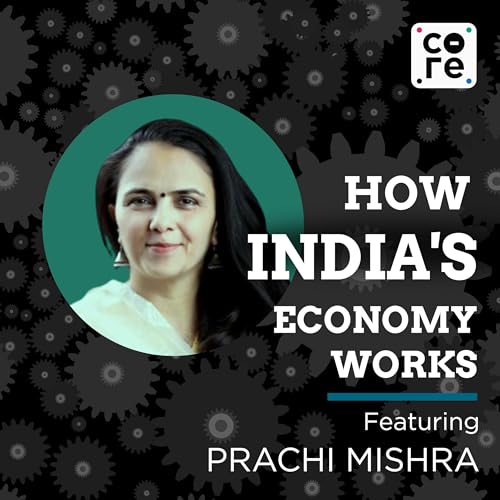
  • The Economics Behind a Viksit Bihar and Real Implications of Cash Transfers and Emigration
    Nov 19 2025

    In this episode, journalist and author Puja Mehra speaks with economist Prachi Mishra, Professor at the Department of Economics, and Director and Head of Isaac Center for Public Policy at Ashoka University and lead author of a forthcoming report on how the Bihar can accelerate its path to Viksit Bihar. Mishra explains why Bihar must aim for sustained double-digit growth to close its large per-capita income gap with the rest of India, and why doing so requires more than traditional agriculture or services-led expansion. She outlines how Bihar can unlock growth by pursuing targeted agro-industrialisation around crops such as maize, makhana and litchi, scaling tourism through distributed cultural circuits and diaspora engagement, developing GCC and special economic and logistics zones, and improving the quality and allocation of public capital spending. Mishra also highlights the need for stronger state capacity — from law and order to skilling and logistics — better revenue mobilisation including property taxes, and clearer fiscal rules to balance transfers and investment. Drawing on empirical analysis and a granular, district-level roadmap, she argues that Bihar’s greatest opportunity lies in strategic industrial policy that links geography, value addition and employment. Tune in for insights on what the new government must prioritise to turn Bihar’s potential into sustained prosperity.


    For more of our coverage check out ⁠⁠⁠⁠⁠⁠⁠⁠⁠⁠⁠thecore.in⁠⁠⁠⁠⁠⁠⁠⁠⁠⁠⁠

    ⁠⁠⁠⁠⁠⁠⁠⁠⁠⁠⁠⁠⁠⁠⁠⁠⁠⁠⁠⁠⁠⁠⁠⁠⁠⁠⁠Subscribe to our Newsletter⁠⁠⁠⁠⁠⁠⁠⁠⁠⁠⁠⁠⁠⁠⁠⁠⁠⁠⁠⁠⁠⁠⁠⁠⁠⁠⁠

    Follow us on:⁠⁠⁠⁠⁠⁠⁠⁠⁠⁠⁠⁠⁠⁠⁠⁠⁠⁠⁠⁠⁠⁠⁠⁠⁠⁠⁠⁠⁠⁠⁠⁠

    ⁠⁠⁠⁠⁠Twitter⁠⁠⁠⁠⁠⁠⁠⁠⁠⁠⁠⁠⁠⁠⁠⁠⁠⁠⁠⁠⁠⁠⁠⁠⁠⁠⁠ |⁠⁠⁠⁠⁠⁠⁠⁠⁠⁠⁠⁠⁠⁠⁠⁠⁠⁠⁠⁠⁠⁠⁠⁠⁠⁠⁠Instagram⁠⁠⁠⁠⁠⁠⁠⁠⁠⁠⁠⁠⁠⁠⁠⁠⁠⁠⁠⁠⁠⁠⁠⁠⁠⁠⁠ |⁠⁠⁠⁠⁠⁠⁠⁠⁠⁠⁠⁠⁠⁠⁠⁠⁠⁠⁠⁠⁠⁠⁠⁠⁠⁠⁠Facebook⁠⁠⁠⁠⁠⁠⁠⁠⁠⁠⁠⁠⁠⁠⁠⁠⁠⁠⁠⁠⁠⁠⁠⁠⁠⁠⁠ |⁠⁠⁠⁠⁠⁠⁠⁠⁠⁠⁠⁠⁠⁠⁠⁠⁠⁠⁠⁠⁠⁠⁠⁠⁠⁠⁠Linkedin⁠⁠⁠⁠⁠⁠⁠⁠⁠⁠⁠⁠⁠⁠⁠⁠⁠⁠⁠⁠⁠⁠⁠⁠⁠⁠⁠ |⁠⁠⁠⁠⁠⁠⁠⁠⁠⁠⁠⁠⁠⁠⁠⁠⁠⁠⁠⁠⁠⁠⁠⁠⁠⁠⁠Youtube

    Voir plus Voir moins
    27 min
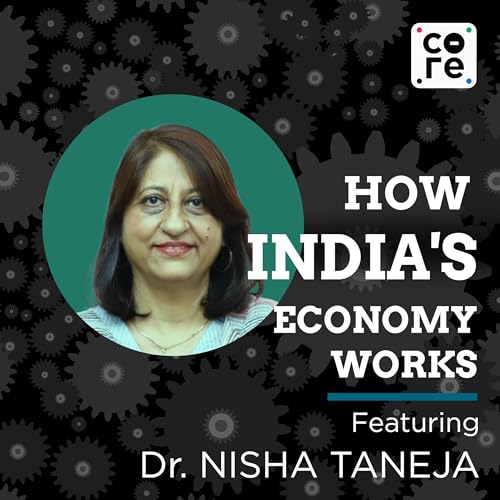
  • We Assume India Can’t Export to China, But There’s a $161 Billion Market Waiting
    Nov 5 2025

    In this episode, journalist and author Puja Mehra speaks with economist Dr. Nisha Taneja, Professor at ICRIER and author of a comprehensive study on India–China trade, about how India can recalibrate its economic relationship with China. Taneja explains why India’s imports from China continue to rise despite policy tightening and geopolitical tensions, and why efforts to restrict trade have not reduced dependence. She outlines how India can expand its export base by targeting a $161 billion opportunity in pharmaceuticals, machinery, shrimp, gems, and tourism, while building competitiveness in medium and high-tech sectors. Taneja also highlights the need for a clearer institutional framework to separate politics from trade, encourage investment in manufacturing, and deepen business-to-business dialogue. Drawing on decades of research, she argues that India’s real leverage lies in its human capital and its ability to diversify. Tune in for insights on how India can seize an opportunity with China that it has too long overlooked.


    RESOURCE LINKS

    https://icrier.org/pdf/Calibrating_India_s_Economic.pdf


    For more of our coverage check out ⁠⁠⁠⁠⁠⁠⁠⁠⁠⁠thecore.in⁠⁠⁠⁠⁠⁠⁠⁠⁠⁠

    ⁠⁠⁠⁠⁠⁠⁠⁠⁠⁠⁠⁠⁠⁠⁠⁠⁠⁠⁠⁠⁠⁠⁠⁠⁠⁠Subscribe to our Newsletter⁠⁠⁠⁠⁠⁠⁠⁠⁠⁠⁠⁠⁠⁠⁠⁠⁠⁠⁠⁠⁠⁠⁠⁠⁠⁠

    Follow us on:⁠⁠⁠⁠⁠⁠⁠⁠⁠⁠⁠⁠⁠⁠⁠⁠⁠⁠⁠⁠⁠⁠⁠⁠⁠⁠⁠⁠⁠⁠

    ⁠⁠⁠⁠Twitter⁠⁠⁠⁠⁠⁠⁠⁠⁠⁠⁠⁠⁠⁠⁠⁠⁠⁠⁠⁠⁠⁠⁠⁠⁠⁠ |⁠⁠⁠⁠⁠⁠⁠⁠⁠⁠⁠⁠⁠⁠⁠⁠⁠⁠⁠⁠⁠⁠⁠⁠⁠⁠Instagram⁠⁠⁠⁠⁠⁠⁠⁠⁠⁠⁠⁠⁠⁠⁠⁠⁠⁠⁠⁠⁠⁠⁠⁠⁠⁠ |⁠⁠⁠⁠⁠⁠⁠⁠⁠⁠⁠⁠⁠⁠⁠⁠⁠⁠⁠⁠⁠⁠⁠⁠⁠⁠Facebook⁠⁠⁠⁠⁠⁠⁠⁠⁠⁠⁠⁠⁠⁠⁠⁠⁠⁠⁠⁠⁠⁠⁠⁠⁠⁠ |⁠⁠⁠⁠⁠⁠⁠⁠⁠⁠⁠⁠⁠⁠⁠⁠⁠⁠⁠⁠⁠⁠⁠⁠⁠⁠Linkedin⁠⁠⁠⁠⁠⁠⁠⁠⁠⁠⁠⁠⁠⁠⁠⁠⁠⁠⁠⁠⁠⁠⁠⁠⁠⁠ |⁠⁠⁠⁠⁠⁠⁠⁠⁠⁠⁠⁠⁠⁠⁠⁠⁠⁠⁠⁠⁠⁠⁠⁠⁠⁠Youtube

    Voir plus Voir moins
    31 min
Pas encore de commentaire