Épisodes

  • Is India’s Demographic Dividend Over?
    Dec 3 2025
    In this episode, journalist and author Puja Mehra speaks with economist Arjun Jayadev, Director at the Centre for the Study of the Indian Economy (CSIE) at Azim Premji University and co-author of a major new study on how India’s demographic dividend has actually contributed to economic growth across states. Jayadev explains why India’s per-capita growth has diverged sharply across regions, how GDP per capita can be decomposed into productivity, employment, and demographic effects, and what this reveals about the three distinct phases of India’s post-liberalisation growth story. He outlines why the 2004–2017 period saw East Asian–level productivity surges in states such as Tamil Nadu, Gujarat and Karnataka, why employment ratios simultaneously collapsed, and how the years since 2017 have been defined by a worrying fall in labour productivity despite a rise in employment.Jayadev also highlights the structural risks ahead: young states like Bihar and Uttar Pradesh that are unable to generate high-productivity jobs; ageing states like Kerala and Himachal Pradesh that are losing demographic tailwinds; and the national challenge of absorbing millions into productive work before the demographic dividend fully fades. Drawing on granular state-level data and labour force trends, he argues that India is at risk of “growing old before it grows rich,” and that the next decade must focus on expanding high-productivity employment, enabling migration, and designing state-specific strategies rather than uniform national prescriptions. Tune in for insights on what India must prioritise now to convert its demographic window into sustained and inclusive economic growth.(00:00) Introduction(00:14) What the demographic dividend really means(01:36) How the study decomposes GDP per capita(01:58) The three components of growth explained(05:55) Why early job absorption lagged(07:14) Phase 2 (2004–2017): jobless growth and soaring productivity(10:47) Phase 3 (post-2017): collapsing labour productivity(11:02) Rise of low-productivity, agriculture-heavy employment(12:21) What the findings mean for policymakers(13:55) Young vs ageing states: diverging economic futures(15:38) India vs Japan: productivity and demographics(17:26) East Asian–level productivity in Indian states(19:52) What states must do now to create productive jobs(22:04) How India squandered its demographic dividend(23:22) Why lagging states must urgently generate high-productivity work(24:01) The warning signs aheadFor more of our coverage check out ⁠⁠⁠⁠⁠⁠⁠⁠⁠⁠⁠⁠thecore.in⁠⁠⁠⁠⁠⁠⁠⁠⁠⁠⁠⁠⁠⁠⁠⁠⁠⁠⁠⁠⁠⁠⁠⁠⁠⁠⁠⁠⁠⁠⁠⁠⁠⁠⁠⁠⁠⁠⁠⁠Subscribe to our Newsletter⁠⁠⁠⁠⁠⁠⁠⁠⁠⁠⁠⁠⁠⁠⁠⁠⁠⁠⁠⁠⁠⁠⁠⁠⁠⁠⁠⁠Follow us on:⁠⁠⁠⁠⁠⁠⁠⁠⁠⁠⁠⁠⁠⁠⁠⁠⁠⁠⁠⁠⁠⁠⁠⁠⁠⁠⁠⁠⁠⁠⁠⁠⁠⁠⁠⁠⁠⁠⁠⁠Twitter⁠⁠⁠⁠⁠⁠⁠⁠⁠⁠⁠⁠⁠⁠⁠⁠⁠⁠⁠⁠⁠⁠⁠⁠⁠⁠⁠⁠ |⁠⁠⁠⁠⁠⁠⁠⁠⁠⁠⁠⁠⁠⁠⁠⁠⁠⁠⁠⁠⁠⁠⁠⁠⁠⁠⁠⁠Instagram⁠⁠⁠⁠⁠⁠⁠⁠⁠⁠⁠⁠⁠⁠⁠⁠⁠⁠⁠⁠⁠⁠⁠⁠⁠⁠⁠⁠ |⁠⁠⁠⁠⁠⁠⁠⁠⁠⁠⁠⁠⁠⁠⁠⁠⁠⁠⁠⁠⁠⁠⁠⁠⁠⁠⁠⁠Facebook⁠⁠⁠⁠⁠⁠⁠⁠⁠⁠⁠⁠⁠⁠⁠⁠⁠⁠⁠⁠⁠⁠⁠⁠⁠⁠⁠⁠ |⁠⁠⁠⁠⁠⁠⁠⁠⁠⁠⁠⁠⁠⁠⁠⁠⁠⁠⁠⁠⁠⁠⁠⁠⁠⁠⁠⁠Linkedin⁠⁠⁠⁠⁠⁠⁠⁠⁠⁠⁠⁠⁠⁠⁠⁠⁠⁠⁠⁠⁠⁠⁠⁠⁠⁠⁠⁠ |⁠⁠⁠⁠⁠⁠⁠⁠⁠⁠⁠⁠⁠⁠⁠⁠⁠⁠⁠⁠⁠⁠⁠⁠⁠⁠⁠⁠Youtube
    Voir plus Voir moins
    25 min
  • The Economics Behind a Viksit Bihar and Real Implications of Cash Transfers and Emigration
    Nov 19 2025

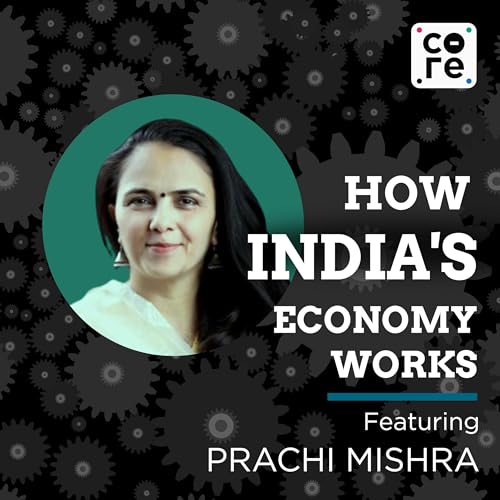
    In this episode, journalist and author Puja Mehra speaks with economist Prachi Mishra, Professor at the Department of Economics, and Director and Head of Isaac Center for Public Policy at Ashoka University and lead author of a forthcoming report on how the Bihar can accelerate its path to Viksit Bihar. Mishra explains why Bihar must aim for sustained double-digit growth to close its large per-capita income gap with the rest of India, and why doing so requires more than traditional agriculture or services-led expansion. She outlines how Bihar can unlock growth by pursuing targeted agro-industrialisation around crops such as maize, makhana and litchi, scaling tourism through distributed cultural circuits and diaspora engagement, developing GCC and special economic and logistics zones, and improving the quality and allocation of public capital spending. Mishra also highlights the need for stronger state capacity — from law and order to skilling and logistics — better revenue mobilisation including property taxes, and clearer fiscal rules to balance transfers and investment. Drawing on empirical analysis and a granular, district-level roadmap, she argues that Bihar’s greatest opportunity lies in strategic industrial policy that links geography, value addition and employment. Tune in for insights on what the new government must prioritise to turn Bihar’s potential into sustained prosperity.


    For more of our coverage check out ⁠⁠⁠⁠⁠⁠⁠⁠⁠⁠⁠thecore.in⁠⁠⁠⁠⁠⁠⁠⁠⁠⁠⁠

    ⁠⁠⁠⁠⁠⁠⁠⁠⁠⁠⁠⁠⁠⁠⁠⁠⁠⁠⁠⁠⁠⁠⁠⁠⁠⁠⁠Subscribe to our Newsletter⁠⁠⁠⁠⁠⁠⁠⁠⁠⁠⁠⁠⁠⁠⁠⁠⁠⁠⁠⁠⁠⁠⁠⁠⁠⁠⁠

    Follow us on:⁠⁠⁠⁠⁠⁠⁠⁠⁠⁠⁠⁠⁠⁠⁠⁠⁠⁠⁠⁠⁠⁠⁠⁠⁠⁠⁠⁠⁠⁠⁠⁠

    ⁠⁠⁠⁠⁠Twitter⁠⁠⁠⁠⁠⁠⁠⁠⁠⁠⁠⁠⁠⁠⁠⁠⁠⁠⁠⁠⁠⁠⁠⁠⁠⁠⁠ |⁠⁠⁠⁠⁠⁠⁠⁠⁠⁠⁠⁠⁠⁠⁠⁠⁠⁠⁠⁠⁠⁠⁠⁠⁠⁠⁠Instagram⁠⁠⁠⁠⁠⁠⁠⁠⁠⁠⁠⁠⁠⁠⁠⁠⁠⁠⁠⁠⁠⁠⁠⁠⁠⁠⁠ |⁠⁠⁠⁠⁠⁠⁠⁠⁠⁠⁠⁠⁠⁠⁠⁠⁠⁠⁠⁠⁠⁠⁠⁠⁠⁠⁠Facebook⁠⁠⁠⁠⁠⁠⁠⁠⁠⁠⁠⁠⁠⁠⁠⁠⁠⁠⁠⁠⁠⁠⁠⁠⁠⁠⁠ |⁠⁠⁠⁠⁠⁠⁠⁠⁠⁠⁠⁠⁠⁠⁠⁠⁠⁠⁠⁠⁠⁠⁠⁠⁠⁠⁠Linkedin⁠⁠⁠⁠⁠⁠⁠⁠⁠⁠⁠⁠⁠⁠⁠⁠⁠⁠⁠⁠⁠⁠⁠⁠⁠⁠⁠ |⁠⁠⁠⁠⁠⁠⁠⁠⁠⁠⁠⁠⁠⁠⁠⁠⁠⁠⁠⁠⁠⁠⁠⁠⁠⁠⁠Youtube

    Voir plus Voir moins
    27 min
  • We Assume India Can’t Export to China, But There’s a $161 Billion Market Waiting
    Nov 5 2025

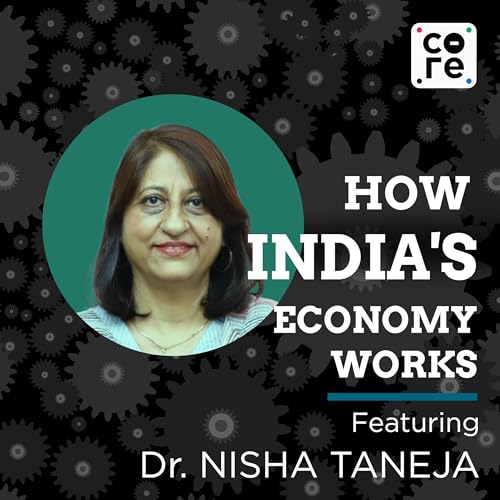
    In this episode, journalist and author Puja Mehra speaks with economist Dr. Nisha Taneja, Professor at ICRIER and author of a comprehensive study on India–China trade, about how India can recalibrate its economic relationship with China. Taneja explains why India’s imports from China continue to rise despite policy tightening and geopolitical tensions, and why efforts to restrict trade have not reduced dependence. She outlines how India can expand its export base by targeting a $161 billion opportunity in pharmaceuticals, machinery, shrimp, gems, and tourism, while building competitiveness in medium and high-tech sectors. Taneja also highlights the need for a clearer institutional framework to separate politics from trade, encourage investment in manufacturing, and deepen business-to-business dialogue. Drawing on decades of research, she argues that India’s real leverage lies in its human capital and its ability to diversify. Tune in for insights on how India can seize an opportunity with China that it has too long overlooked.


    RESOURCE LINKS

    https://icrier.org/pdf/Calibrating_India_s_Economic.pdf


    For more of our coverage check out ⁠⁠⁠⁠⁠⁠⁠⁠⁠⁠thecore.in⁠⁠⁠⁠⁠⁠⁠⁠⁠⁠

    ⁠⁠⁠⁠⁠⁠⁠⁠⁠⁠⁠⁠⁠⁠⁠⁠⁠⁠⁠⁠⁠⁠⁠⁠⁠⁠Subscribe to our Newsletter⁠⁠⁠⁠⁠⁠⁠⁠⁠⁠⁠⁠⁠⁠⁠⁠⁠⁠⁠⁠⁠⁠⁠⁠⁠⁠

    Follow us on:⁠⁠⁠⁠⁠⁠⁠⁠⁠⁠⁠⁠⁠⁠⁠⁠⁠⁠⁠⁠⁠⁠⁠⁠⁠⁠⁠⁠⁠⁠

    ⁠⁠⁠⁠Twitter⁠⁠⁠⁠⁠⁠⁠⁠⁠⁠⁠⁠⁠⁠⁠⁠⁠⁠⁠⁠⁠⁠⁠⁠⁠⁠ |⁠⁠⁠⁠⁠⁠⁠⁠⁠⁠⁠⁠⁠⁠⁠⁠⁠⁠⁠⁠⁠⁠⁠⁠⁠⁠Instagram⁠⁠⁠⁠⁠⁠⁠⁠⁠⁠⁠⁠⁠⁠⁠⁠⁠⁠⁠⁠⁠⁠⁠⁠⁠⁠ |⁠⁠⁠⁠⁠⁠⁠⁠⁠⁠⁠⁠⁠⁠⁠⁠⁠⁠⁠⁠⁠⁠⁠⁠⁠⁠Facebook⁠⁠⁠⁠⁠⁠⁠⁠⁠⁠⁠⁠⁠⁠⁠⁠⁠⁠⁠⁠⁠⁠⁠⁠⁠⁠ |⁠⁠⁠⁠⁠⁠⁠⁠⁠⁠⁠⁠⁠⁠⁠⁠⁠⁠⁠⁠⁠⁠⁠⁠⁠⁠Linkedin⁠⁠⁠⁠⁠⁠⁠⁠⁠⁠⁠⁠⁠⁠⁠⁠⁠⁠⁠⁠⁠⁠⁠⁠⁠⁠ |⁠⁠⁠⁠⁠⁠⁠⁠⁠⁠⁠⁠⁠⁠⁠⁠⁠⁠⁠⁠⁠⁠⁠⁠⁠⁠Youtube

    Voir plus Voir moins
    31 min
  • The Shift from Trade to Public Spending as the New Engine of Growth--and its Bad Timing
    Oct 22 2025

    In this episode, Puja Mehra speaks with economist Dr. Anoop Singh, author of Managing Public Finances in a New Global Era: India’s Experiences and Challenges, about how India can strengthen fiscal discipline in an age of slowing trade and rising public debt. Singh explains why the world is shifting from trade-driven to fiscal-driven growth and how India must confront the challenges of opaque accounting, off-budget borrowing, and mounting subsidies. He highlights the urgent need for common definitions across states, transparent reporting, and institutional reform to ensure that every rupee spent is visible and accountable. Drawing on lessons from global peers, Singh argues that sustainable growth depends on seeing and managing what governments spend. “You cannot manage what you can’t see,” he warns. Tune in for insights on how India can build a more transparent and resilient fiscal framework for the years ahead.


    PDF - The State of State Finances in India: Bridging the Data Gaps: https://www.thecore.in/h-library/is-3aanoops.pdf


    For more of our coverage check out ⁠⁠⁠⁠⁠⁠⁠⁠⁠thecore.in⁠⁠⁠⁠⁠⁠⁠⁠⁠

    ⁠⁠⁠⁠⁠⁠⁠⁠⁠⁠⁠⁠⁠⁠⁠⁠⁠⁠⁠⁠⁠⁠⁠⁠⁠Subscribe to our Newsletter⁠⁠⁠⁠⁠⁠⁠⁠⁠⁠⁠⁠⁠⁠⁠⁠⁠⁠⁠⁠⁠⁠⁠⁠⁠

    Follow us on:⁠⁠⁠⁠⁠⁠⁠⁠⁠⁠⁠⁠⁠⁠⁠⁠⁠⁠⁠⁠⁠⁠⁠⁠⁠⁠⁠⁠

    ⁠⁠⁠Twitter⁠⁠⁠⁠⁠⁠⁠⁠⁠⁠⁠⁠⁠⁠⁠⁠⁠⁠⁠⁠⁠⁠⁠⁠⁠ |⁠⁠⁠⁠⁠⁠⁠⁠⁠⁠⁠⁠⁠⁠⁠⁠⁠⁠⁠⁠⁠⁠⁠⁠⁠Instagram⁠⁠⁠⁠⁠⁠⁠⁠⁠⁠⁠⁠⁠⁠⁠⁠⁠⁠⁠⁠⁠⁠⁠⁠⁠ |⁠⁠⁠⁠⁠⁠⁠⁠⁠⁠⁠⁠⁠⁠⁠⁠⁠⁠⁠⁠⁠⁠⁠⁠⁠Facebook⁠⁠⁠⁠⁠⁠⁠⁠⁠⁠⁠⁠⁠⁠⁠⁠⁠⁠⁠⁠⁠⁠⁠⁠⁠ |⁠⁠⁠⁠⁠⁠⁠⁠⁠⁠⁠⁠⁠⁠⁠⁠⁠⁠⁠⁠⁠⁠⁠⁠⁠Linkedin⁠⁠⁠⁠⁠⁠⁠⁠⁠⁠⁠⁠⁠⁠⁠⁠⁠⁠⁠⁠⁠⁠⁠⁠⁠ |⁠⁠⁠⁠⁠⁠⁠⁠⁠⁠⁠⁠⁠⁠⁠⁠⁠⁠⁠⁠⁠⁠⁠⁠⁠Youtube

    Voir plus Voir moins
    26 min
  • The Give and Take Needed to Bring the India–US Trade Deal Back on Track
    Oct 8 2025

    In this episode, Puja Mehra speaks with economist Dr. Rajat Kathuria about the evolving landscape of India-US trade relations and the broader challenges of global economic engagement. Kathuria explains how India must balance political sensitivities in sectors like agriculture while ensuring competitive access to the US market. He highlights the importance of tariff reductions, strategic concessions, and diversification in trade and energy imports to attract investment and strengthen economic resilience. The discussion also delves into the role of media in shaping economic narratives and the lessons India can learn from China’s measured rise. Kathuria emphasizes India’s intrinsic entrepreneurial talent, frugal innovation, and the need to engage in global trade frameworks like CPTPP and RCEP. Tune in for insights on how India can leverage its strengths to become a leading global economic power.


    (00:00) Introduction

    (01:15) The Politics Behind India–US Trade Relations

    (04:40) Why Agriculture Is Always a Sticking Point

    (08:05) The Role of Tariffs and Market Access

    (11:20) What India Can Offer the United States

    (14:35) Mini Deals vs. Comprehensive Trade Agreements

    (17:10) How Global Trust Has Broken Down Since the Pandemic

    (20:25) India’s Strategy for Building Economic Resilience

    (23:45) The Importance of Diversifying Energy and Trade Partners

    (26:30) Media Narratives and Policy Misunderstandings

    (29:10) Learning from China’s Measured Global Strategy

    (31:45) Redefining India’s Red Lines in Trade Negotiations

    (33:00) Why Rajat Kathuria Remains Optimistic About India’s Future

    (34:56) Conclusion


    For more of our coverage check out ⁠⁠⁠⁠⁠⁠⁠⁠thecore.in⁠⁠⁠⁠⁠⁠⁠⁠

    ⁠⁠⁠⁠⁠⁠⁠⁠⁠⁠⁠⁠⁠⁠⁠⁠⁠⁠⁠⁠⁠⁠⁠⁠Subscribe to our Newsletter⁠⁠⁠⁠⁠⁠⁠⁠⁠⁠⁠⁠⁠⁠⁠⁠⁠⁠⁠⁠⁠⁠⁠⁠

    Follow us on:⁠⁠⁠⁠⁠⁠⁠⁠⁠⁠⁠⁠⁠⁠⁠⁠⁠⁠⁠⁠⁠⁠⁠⁠⁠⁠

    ⁠⁠Twitter⁠⁠⁠⁠⁠⁠⁠⁠⁠⁠⁠⁠⁠⁠⁠⁠⁠⁠⁠⁠⁠⁠⁠⁠ |⁠⁠⁠⁠⁠⁠⁠⁠⁠⁠⁠⁠⁠⁠⁠⁠⁠⁠⁠⁠⁠⁠⁠⁠Instagram⁠⁠⁠⁠⁠⁠⁠⁠⁠⁠⁠⁠⁠⁠⁠⁠⁠⁠⁠⁠⁠⁠⁠⁠ |⁠⁠⁠⁠⁠⁠⁠⁠⁠⁠⁠⁠⁠⁠⁠⁠⁠⁠⁠⁠⁠⁠⁠⁠Facebook⁠⁠⁠⁠⁠⁠⁠⁠⁠⁠⁠⁠⁠⁠⁠⁠⁠⁠⁠⁠⁠⁠⁠⁠ |⁠⁠⁠⁠⁠⁠⁠⁠⁠⁠⁠⁠⁠⁠⁠⁠⁠⁠⁠⁠⁠⁠⁠⁠Linkedin⁠⁠⁠⁠⁠⁠⁠⁠⁠⁠⁠⁠⁠⁠⁠⁠⁠⁠⁠⁠⁠⁠⁠⁠ |⁠⁠⁠⁠⁠⁠⁠⁠⁠⁠⁠⁠⁠⁠⁠⁠⁠⁠⁠⁠⁠⁠⁠⁠Youtube

    Voir plus Voir moins
    36 min
  • India’s Outsized Efforts for Outsized Growth Ambitions with Aurélien Kruse
    Sep 23 2025

    In this episode, economic journalist and author Puja Mehra speaks to Aurélien Kruse, Lead Economist of the Economic Policy team in India at the World Bank and lead author of its recent report on India. The conversation unpacks how India can break out of the middle-income trap, why small firms struggle to scale up, and what stalled reforms on land, labour, and credit mean for the country’s competitiveness.

    They also discuss whether India’s large domestic market is enough to drive growth, the limits of tariff-led industrial policy, and why inclusive development—not just fiscal incentives—will ultimately determine the size of India’s consumer class and its ability to attract sustained private capital.

    Tune in for insights on what it will take to reignite private investment, implement reforms that actually deliver, and unlock India’s long-awaited growth potential. This episode offers both a reality check on India’s reform story and a roadmap for policymakers to create a more predictable, investment-friendly future.


    For more of our coverage check out ⁠⁠⁠⁠⁠⁠⁠thecore.in⁠⁠⁠⁠⁠⁠⁠

    ⁠⁠⁠⁠⁠⁠⁠⁠⁠⁠⁠⁠⁠⁠⁠⁠⁠⁠⁠⁠⁠⁠⁠Subscribe to our Newsletter⁠⁠⁠⁠⁠⁠⁠⁠⁠⁠⁠⁠⁠⁠⁠⁠⁠⁠⁠⁠⁠⁠⁠

    Follow us on:⁠⁠⁠⁠⁠⁠⁠⁠⁠⁠⁠⁠⁠⁠⁠⁠⁠⁠⁠⁠⁠⁠⁠⁠

    ⁠Twitter⁠⁠⁠⁠⁠⁠⁠⁠⁠⁠⁠⁠⁠⁠⁠⁠⁠⁠⁠⁠⁠⁠⁠ |⁠⁠⁠⁠⁠⁠⁠⁠⁠⁠⁠⁠⁠⁠⁠⁠⁠⁠⁠⁠⁠⁠⁠Instagram⁠⁠⁠⁠⁠⁠⁠⁠⁠⁠⁠⁠⁠⁠⁠⁠⁠⁠⁠⁠⁠⁠⁠ |⁠⁠⁠⁠⁠⁠⁠⁠⁠⁠⁠⁠⁠⁠⁠⁠⁠⁠⁠⁠⁠⁠⁠Facebook⁠⁠⁠⁠⁠⁠⁠⁠⁠⁠⁠⁠⁠⁠⁠⁠⁠⁠⁠⁠⁠⁠⁠ |⁠⁠⁠⁠⁠⁠⁠⁠⁠⁠⁠⁠⁠⁠⁠⁠⁠⁠⁠⁠⁠⁠⁠Linkedin⁠⁠⁠⁠⁠⁠⁠⁠⁠⁠⁠⁠⁠⁠⁠⁠⁠⁠⁠⁠⁠⁠⁠ |⁠⁠⁠⁠⁠⁠⁠⁠⁠⁠⁠⁠⁠⁠⁠⁠⁠⁠⁠⁠⁠⁠⁠Youtube

    Voir plus Voir moins
    36 min
  • The GST Reform India Needs but Didn’t Get with Arbind Modi
    Sep 10 2025

    In this episode, economic journalist and author Puja Mehra speaks to Arbind Modi, retired IRS officer and Senior Economist at the IMF and one of the chief architects of India’s Goods and Services Tax (GST), about what India’s broken tax system means for its growth ambitions. The conversation explores how GST’s design flaws have hurt competitiveness, why exempting large sections of income undermines fairness, and how Centre–State revenue sharing has created new fiscal strains.

    The discussion connects India’s tax choices to global shifts, from the Trump-era trade wars to the reordering of supply chains, making clear that without serious reform, India risks missing yet another growth opportunity.

    Tune in for insights on what it will take to reset India’s tax system, revive competitiveness, and lay the foundation for sustained 8% growth. This episode is both a masterclass in India’s tax system and a call for bold, evidence-driven policymaking.

    (00:00) Introduction

    (02:15) Why GST Hasn’t Delivered on Its Promise

    (07:42) Fixing GST Design and Efficiency

    (12:30) The Problem with GST Rates and Complexity

    (16:58) Corporate Tax Cuts and Their Consequences

    (21:47) Why Income Tax Exemptions Are a Mistake

    (27:15) The Centre–State Revenue Sharing Dilemma

    (32:44) The Case for Comprehensive Tax Reform

    (38:52) How GST Reform Could Unlock Higher Growth

    (46:10) Why Political Will Matters More Than Bureaucratic Hesitation

    (51:21) Decluttering GST and Fixing Excise Duties

    (55:23) Why Taxing Gold Jewellery Hurts the Poor

    (59:26) Conclusion


    For more of our coverage check out ⁠⁠⁠⁠⁠⁠thecore.in⁠⁠⁠⁠⁠⁠

    ⁠⁠⁠⁠⁠⁠⁠⁠⁠⁠⁠⁠⁠⁠⁠⁠⁠⁠⁠⁠⁠⁠Subscribe to our Newsletter⁠⁠⁠⁠⁠⁠⁠⁠⁠⁠⁠⁠⁠⁠⁠⁠⁠⁠⁠⁠⁠⁠

    Follow us on:⁠⁠⁠⁠⁠⁠⁠⁠⁠⁠⁠⁠⁠⁠⁠⁠⁠⁠⁠⁠⁠⁠

    Twitter⁠⁠⁠⁠⁠⁠⁠⁠⁠⁠⁠⁠⁠⁠⁠⁠⁠⁠⁠⁠⁠⁠ |⁠⁠⁠⁠⁠⁠⁠⁠⁠⁠⁠⁠⁠⁠⁠⁠⁠⁠⁠⁠⁠⁠Instagram⁠⁠⁠⁠⁠⁠⁠⁠⁠⁠⁠⁠⁠⁠⁠⁠⁠⁠⁠⁠⁠⁠ |⁠⁠⁠⁠⁠⁠⁠⁠⁠⁠⁠⁠⁠⁠⁠⁠⁠⁠⁠⁠⁠⁠Facebook⁠⁠⁠⁠⁠⁠⁠⁠⁠⁠⁠⁠⁠⁠⁠⁠⁠⁠⁠⁠⁠⁠ |⁠⁠⁠⁠⁠⁠⁠⁠⁠⁠⁠⁠⁠⁠⁠⁠⁠⁠⁠⁠⁠⁠Linkedin⁠⁠⁠⁠⁠⁠⁠⁠⁠⁠⁠⁠⁠⁠⁠⁠⁠⁠⁠⁠⁠⁠ |⁠⁠⁠⁠⁠⁠⁠⁠⁠⁠⁠⁠⁠⁠⁠⁠⁠⁠⁠⁠⁠⁠Youtube

    Voir plus Voir moins
    1 h et 1 min
  • Why India’s Russian Oil Imports are Suddenly Bugging Trump with Suhasini Haidar
    Aug 28 2025

    In this episode, journalist Puja Mehra speaks to Suhasini Haidar, Diplomatic Affairs Editor of The Hindu, about what India’s failed trade deal with Donald Trump reveals about the country’s foreign policy. The discussion unpacks how India balances principles with pragmatism in global negotiations, the costs of missed opportunities in its own neighbourhood, and the deeper shifts from globalisation to populism that are reshaping trade worldwide. Suhasini also explains why India’s diplomatic space depends not only on economic choices but also on the strength of its democratic and pluralistic values.

    Tune in for insights on how India can navigate uncertainty, define its red lines, and reset its strategy for the future.


    For more of our coverage check out ⁠⁠⁠⁠⁠thecore.in⁠⁠⁠⁠⁠

    ⁠⁠⁠⁠⁠⁠⁠⁠⁠⁠⁠⁠⁠⁠⁠⁠⁠⁠⁠⁠⁠Subscribe to our Newsletter⁠⁠⁠⁠⁠⁠⁠⁠⁠⁠⁠⁠⁠⁠⁠⁠⁠⁠⁠⁠⁠

    Follow us on:⁠⁠⁠⁠⁠⁠⁠⁠⁠⁠⁠⁠⁠⁠⁠⁠⁠⁠⁠⁠⁠Twitter⁠⁠⁠⁠⁠⁠⁠⁠⁠⁠⁠⁠⁠⁠⁠⁠⁠⁠⁠⁠⁠ |⁠⁠⁠⁠⁠⁠⁠⁠⁠⁠⁠⁠⁠⁠⁠⁠⁠⁠⁠⁠⁠Instagram⁠⁠⁠⁠⁠⁠⁠⁠⁠⁠⁠⁠⁠⁠⁠⁠⁠⁠⁠⁠⁠ |⁠⁠⁠⁠⁠⁠⁠⁠⁠⁠⁠⁠⁠⁠⁠⁠⁠⁠⁠⁠⁠Facebook⁠⁠⁠⁠⁠⁠⁠⁠⁠⁠⁠⁠⁠⁠⁠⁠⁠⁠⁠⁠⁠ |⁠⁠⁠⁠⁠⁠⁠⁠⁠⁠⁠⁠⁠⁠⁠⁠⁠⁠⁠⁠⁠Linkedin⁠⁠⁠⁠⁠⁠⁠⁠⁠⁠⁠⁠⁠⁠⁠⁠⁠⁠⁠⁠⁠ |⁠⁠⁠⁠⁠⁠⁠⁠⁠⁠⁠⁠⁠⁠⁠⁠⁠⁠⁠⁠⁠Youtube

    Voir plus Voir moins
    36 min