OFFRE D'UNE DURÉE LIMITÉE | Obtenez 3 mois à 0.99 $ par mois

14.95 $/mois par la suite. Des conditions s'appliquent.
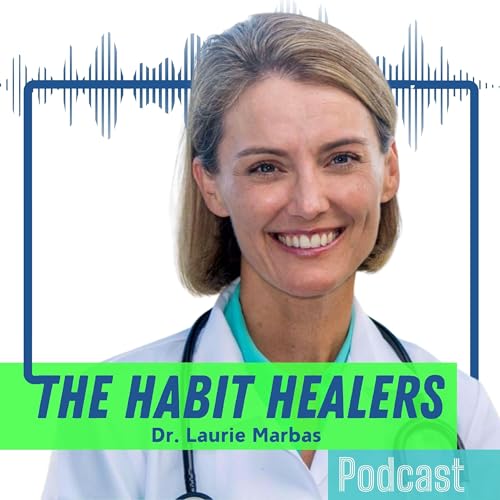
Page de couverture de The Habit Healers

The Habit Healers

The Habit Healers

Auteur(s): Laurie Marbas MD MBA
Écouter gratuitement

À propos de cet audio

Welcome to The Habit Healers Podcast—where transformation starts with a single habit. Hosted by Dr. Laurie Marbas, this podcast is for anyone ready to break free from chronic health struggles, rewire their habits, and create lasting healing. Through powerful stories, science-backed strategies, and real-world tools, we dive deep into the micro shifts that lead to massive health transformations. You’ll learn how to heal beyond prescriptions—how to nourish your body, reprogram your mind, and build the habits that make vibrant health effortless. Whether you’re looking to reverse disease, boost energy, or finally make health a way of life, this podcast will show you how. Because true healing isn’t about willpower—it’s about design. And you’re always just one healing habit away.

drlauriemarbas.substack.comLaurie Marbas, MD, MBA
Hygiène et mode de vie sain Médecine alternative
Épisodes
  • How to raise GLP-1 naturally! No drugs needed.
    Jan 8 2026
    Thank you Carl Rossini Jr., Patti Wohlin, Jen Watts, MG, Janie McManus, and many others for tuning into my live video with Chef Martin Oswald! Want to join our Culinary Healing community?Culinary Healing is an ongoing learning community focused on making nutritious food taste genuinely good.Chef Martin Oswald teaches his Healing Kitchen course, sharing techniques for building flavor, simplifying meals, and cooking that support metabolic health without stress. Learn how to cook food you actually want to eat, consistently.Every Tuesday, Dr. Laurie Marbas meets live with the group to guide discussion and introduce weekly micro challenges. Members choose the challenges that resonate with them and fit their current season of life.The challenges rotate through five core pillars of health:* Blood sugar balance* Stress regulation* Restorative sleep* Metabolic movement* Community connectionThere is no fixed timeline or reset period. Members join at any time, move through the cooking course at their own pace, and participate in the live sessions as often as they wish.This is culinary healing in practice. Real food, real skills, and small changes that add up over time.Learn more here. We would love to have you. Using food to support your own GLP-1This session grew out of a question that keeps coming up. GLP-1 medications are now part of everyday medical conversations, and people want to understand how they fit into long-term health. There is a place for medication. That part is clear. What is often missing from the discussion is that GLP-1 is not an external substance. It is a hormone the body already produces, provided the right signals are present.The purpose of this live was to look closely at those signals and to show what they look like in actual food. Not theory, not supplementation, and not abstractions. Just meals that reliably prompt the same pathways the medications act on.Chef Martin Oswald built the entire cooking session around that premise.The physiological signals behind GLP-1We started by grounding the conversation in how GLP-1 is stimulated in the body.Soluble fiber slows digestion by forming a gel in the gut. That delay allows fullness signals to register before additional food is consumed. Fermentable fibers work differently. Foods such as lentils and beans are broken down by gut bacteria into short-chain fatty acids, which directly stimulate GLP-1 release. That signal travels from the gut to the brain and influences appetite, insulin release, and gastric emptying.Dietary fat also plays a role. Monounsaturated fats and omega-3s stimulate L-cells in the lower small intestine and colon, which are responsible for GLP-1 secretion. This is why foods such as avocado and walnuts were emphasized.Polyphenols contribute another mechanism. Green tea, cocoa, turmeric, and certain spices act as compounds that support GLP-1 signaling. Leafy greens add volume and structural satiety, which reduces hunger through both mechanical and biochemical pathways.The effect does not come from any single food. It comes from repeated exposure to these signals over time.A warm Brussels sprout salad prepared in one panThe first dish focused on simplicity.Brussels sprouts were sliced thin and cooked directly in a hot pan, allowing them to soften and brown without added oil. Butternut squash was added for substance. Crushed walnuts were toasted alongside the vegetables, followed by garlic.Instead of preparing a separate dressing, the pan itself became the mixing vessel. A small amount of vegetable stock or water deglazed the surface and created steam. Apple puree or applesauce added soluble fiber and mild sweetness. Dijon mustard and vinegar completed the base.Almond butter replaced oil, binding the ingredients while contributing fats that support GLP-1 signaling. Fresh turmeric was grated over the finished dish, providing both heated and raw exposure.This was presented as a warm salad, but it can easily serve as a complete meal with the addition of beans or lentils.Recipe link coming soon:Warm Brussels sprout and walnut salad with apple and turmeric[Recipe will be added here and the post updated]Black bean sliders, resistant starch, and a thick sauceThe next dish centered on fermentable fiber and resistant starch.Cooked black beans were mashed by hand and combined with oat flour to create a simple patty mixture. Spices were lightly toasted before being incorporated. The patties were shaped and either pan-seared or baked.If freezing was planned, a small amount of arrowroot or cornstarch helped the patties maintain structure after cooking.The accompanying sauce was built to be intentionally thick. Walnuts and dates replaced the raisins commonly used in traditional mole-style sauces. Cocoa powder provided polyphenols. Cinnamon, allspice, clove, and chili added depth and heat. The mixture was simmered and blended until it reached a consistency that would adhere to the patties.Avocado was added at the end for fat content and ...
    Voir plus Voir moins
    51 min
  • How to Increase HRV with Dr. Chris Miller Plus a Special Announcement!
    Jan 5 2026
    Thank you Marg KJ, Robin White, The Wellspring Collaborative, Fiona M, and many others for tuning into my live video with Chris Miller MD! In our latest live session, Chris Miller MD and I took a deep dive into one of the most powerful markers of health and longevity: Heart Rate Variability (HRV). I also announced the launch of The Habit Healer Live Lab, a new series where I’ll be walking through tiny healing habits around a particular subject, starting with hip mobility and strength, to show you how small, consistent changes lead to real healing using myself as the guinea pig. I will check in every few days and then compare day 1 with day 30 results. Should be fun! (I think.) Subscribe now so you don’t miss it.What Exactly is HRV?Most people know their resting heart rate (e.g., 60 beats per minute), but your heart doesn’t actually beat like a perfect metronome. There are millisecond differences between each beat. This “beat-to-beat” variability is called Heart Rate Variability (HRV).HRV is controlled by your Autonomic Nervous System (ANS), specifically the Vagus Nerve.* Sympathetic Nervous System: The “gas pedal” (fight or flight).* Parasympathetic Nervous System: The “brake” (rest and digest).A higher HRV generally means your body is resilient, recovered, and has a strong “parasympathetic tone.” It is linked to better longevity, fewer heart attacks, and less cognitive decline.Read Dr. Chris’s Full Deep Dive: HRV: The Real-Time Measure of Inflammation, Resilience, and How Fast You’re AgingCan You Actually Change Your HRV?There is some debate here. Some cardiologists may tell you it’s fixed, and in certain medical contexts, they are right. Factors that can “lock” your HRV or make it harder to change include:* Cardiac Ablations: Procedures for conditions like AFib can change the heart’s electrical system, making HRV appear low and static even if you are getting fitter.* Medications: Certain drugs can dampen the variability.* Age and Inflammation: HRV naturally trends downward as we age, and chronic inflammation (high cytokines) can keep it suppressed.However, for most people, you can absolutely improve your HRV relative to your own baseline. It is a highly individualized metric, don’t compare your 40 to someone else’s 100!7 Levers to Improve Your HRVIf you want to strengthen your Vagus nerve and improve your recovery, here are the most effective levers you can pull:1. Targeted BreathworkThis is the fastest way to see a change. Dr. Chris recommends the 4-7-8 technique:* Inhale for 4.* Hold for 7.* Exhale for 8. The long exhale triggers the parasympathetic nervous system to slow the heart down immediately.2. Master Your SleepSleep apnea, restless nights, and poor hygiene destroy HRV. Consistency is key—try to go to bed and wake up within 30 minutes of the same time every day to avoid “social jetlag.”3. Strategic ExerciseBoth resistance training and cardio improve autonomic tone. If you want to accelerate results, try vigorous intervals like the Norwegian 4x4.How to do the Norwegian 4x4: The Science Shows Four Minutes Is the Perfect Dose to Heal the Heart.4. Anti-Inflammatory NutritionAvoid ultra-processed foods (UPFs). A recent study showed that just five days of UPFs can cause metabolic dysregulation. Focus on the “colors of the rainbow” and plenty of fiber.The Hidden Danger of Ultra-Processed Foods: What If Your Groceries Came With a Warning Label?5. Cold and Heat Exposure (Hormesis)Saunas and cold plunges act as “good stress.” They force the body to use both the gas pedal and the brake at the same time, eventually making the system more resilient.Sauna deep-dive: The 20-Minute Ritual That Protects Your Heart Like ExerciseCold water immersion series6. Social ConnectionThis is the most underrated lever. Spending the day isolated at a computer can lower HRV. Getting out, laughing, and connecting with friends has a measurable positive impact on your heart’s rhythm.7. Sense of PurposeHaving a reason to wake up, whether it’s family, a hobby, or a career, helps keep the nervous system in a state of healthy engagement rather than chronic stress.A Word on ObsessionWhile data is empowering, don’t let the numbers stress you out. If checking your wearable at 2:00 AM causes anxiety, it’s counterproductive! Use HRV as a compass, not a grade. Look at the trends over weeks and months rather than stressing over a single night’s score. Get full access to The Habit Healers at drlauriemarbas.substack.com/subscribe
    Voir plus Voir moins
    48 min
  • New Year’s Eve Strategy: Fiber, Flavor, and Fire with Chef Martin Oswald
    Dec 30 2025
    Thank you MissLadyK, Trish Findlay, Kristin Maguire, MB Parker, Lizz Ruhren, and many others for tuning into my live video with Chef Martin Oswald! To join Chef Martin Oswald’s Substack, click here. Strategic Pre-loading to Stabilize Blood SugarDuring our recent live session from Vienna, Chef Martin Oswald and I discussed how to handle the abundance of sweets typically found at a New Year’s Eve gathering. The most effective way to prevent a blood sugar spike is to consume fiber and low-glycemic foods before eating anything sugary. Martin prepared a simple vegetable dip using tahini and yogurt to act as a metabolic buffer.The dip is a mix of two parts yogurt to one part tahini, flavored with lemon juice and sriracha for spice. Martin recommends using the thicker part of the tahini and plant-based yogurt options like Kite Hill for their probiotics. Eating raw vegetables like broccoli or cauliflower with this dip provides the fiber necessary to slow down the absorption of the desserts that usually follow later in the evening.Alcohol-Free Festive DrinksFor the midnight toast, Martin demonstrated how to create complex flavors without alcohol. He “muddled” (watch the video to understand what muddling is) fresh blueberries, basil leaves, and lime juice in the bottom of a glass to release their nutrients and essential oils. He added a teaspoon of black currant juice, which is exceptionally high in antioxidants, and topped it with tonic water.If you prefer to avoid the sugar in tonic water, you can use mineral water or a small amount of agave instead. A useful tip for entertaining is to prepare the muddled fruit and herb base in the glasses ahead of time. When it is time to serve, adding the sparkling water and a final splash of juice creates a fresh foam that makes the drink look like a traditional cocktail.Functional Desserts and Fruit DisplaysThe sweets we discussed were designed to be functional foods rather than empty calories. Martin shared a recipe for strawberry snowballs, which use oats for their beta-glucan content and psyllium husk to help manage cholesterol. These are high in Vitamin C and serve as a nutrient-dense alternative to traditional cookies.For a larger gathering, Martin suggests a brownie buffet or fruit spread featuring sliced bananas, strawberries, and mandarins. You can make these displays look professional by using raspberry dust, freeze-dried raspberries crushed in a mortar and pestle, and sprinkling it over the fruit or the rim of the glasses.Refined Sugar Alternatives: Date-Based SaucesTo accompany the fruit and cakes, Martin prepared a chocolate fudge sauce that avoids refined sugar and bad fats. The recipe uses approximately two ounces of date puree or (about 8) soaked Medjool dates mixed with three tablespoons of cocoa and a third of a cup of almond milk.The cocoa used should be as dark as possible, as high-quality dark chocolate is rich in polyphenols. This mixture is gently brought to a boil and simmered until it reaches a thick, fudge-like consistency. This sauce can be kept warm on the stove or in a double boiler during a party to be served over fresh fruit or oat-based puddings.The Plum Pudding TraditionThe centerpiece of the evening was a traditional British plum pudding, modified to be healthier by using sweet potatoes and warming spices like cloves and cinnamon. This dessert is steamed for three hours, resulting in a dense, nutrient-rich cake.To serve, Martin inverted the pudding onto a plate and topped it with both the chocolate fudge sauce and a date-based caramel sauce (applied after the fire!). For those who want the traditional flaming effect, Martin showed how to warm a small amount of rum, pour it over the pudding, and light it briefly for the spectacle. He advised being very cautious with this step, using only a small amount of alcohol and keeping a towel nearby to extinguish the flame quickly. Recipe Links and Resources* Strawberry Snowball Recipe* Caramel Sauce and Plum Pudding RecipeJoin Us in our Culinary Healing Community!Additionally, Chef Martin and I run a 30-Day Weight Loss & Metabolic Reset within our Culinary Healing group. This is a doctor-guided, flavor-forward program designed to help you rebuild your metabolism without deprivation.When you start your free 7-day trial, you will receive an extra week focused on Stress-Free Cooking and Regulation. From there, the reset moves through four critical pillars:* Week 2: Blood Sugar Balance* Week 3: Restorative Sleep* Week 4: Nourishing Movement* Week 5 and Beyond: Ongoing live support and fresh habits to sustain your progress.You can stay in the group as long as you like for the same low monthly subscription. Join Chef Martin and me as we transform your metabolism one delicious week at a time.Join the 30-Day Metabolic Reset Here.I look forward to seeing you in the new year. Get full access to The Habit Healers at drlauriemarbas.substack.com/subscribe
    Voir plus Voir moins
    45 min
Pas encore de commentaire