Page de couverture de The Dr Suzette Glasner Podcast

The Dr Suzette Glasner Podcast

The Dr Suzette Glasner Podcast

Auteur(s): Dr. Suzette Glasner
Écouter gratuitement

À propos de cet audio

Dr. Glasner is a clinical psychologist, addiction scientist, award-winning author, and Associate Professor of Psychiatry at UCLA in the David Geffen School of Medicine. The Dr. Suzette Glasner podcast discusses the latest advances in addiction science, trends in alcohol and other substance use, misuse, and addiction across the lifespan, and how to use the science underlying addictive behaviors and the effects of substance use on the brain to shape our health behaviors and every day lives.

drglasner.substack.comDr. Suzette Glasner
Hygiène et mode de vie sain Psychologie Psychologie et santé mentale Troubles et maladies
Épisodes
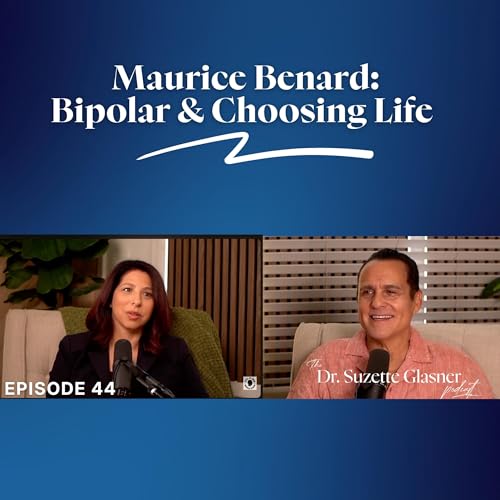
  • Maurice Benard on Bipolar Disorder, Suicidal Thoughts, and Choosing Hope
    Mar 8 2026

    Bipolar disorder can bring periods of severe depression, hopelessness, and suicidal thoughts. In this episode, Dr. Glasner reflects on a powerful conversation with Emmy Award–winning actor Maurice Benard about living with bipolar disorder and how people can find hope during their darkest moments.

    What does it feel like to live through the darkest moments of bipolar disorder — and choose to keep going? In this episode, Dr. Glasner reflects on her recent conversation with Maurice Benard about suicidal thoughts, treatment, and the fight to hold onto hope.

    Watch the full episode here:

    In This Episode

    * Maurice Benard’s experience living with bipolar disorder

    * What suicidal thoughts can feel like during bipolar depression

    * Why hopelessness is one of the most dangerous symptoms

    * The importance of staying connected to treatment and support

    * How people can get through the darkest moments of mental illness

    Bipolar Disorder, Suicidal Thoughts, and Choosing Hope

    In this episode, Dr. Glasner reflects on a powerful conversation with Emmy Award–winning actor Maurice Benard about bipolar disorder, suicidal thoughts, and suicide prevention.

    Maurice Benard has lived with bipolar disorder since his early twenties and has openly shared his mental health journey with millions of people. Dr. Glasner recently joined Maurice on his podcast, State of Mind, where they spoke candidly about surviving the darkest moments of bipolar disorder and finding reasons to keep going.

    Maurice Benard is a suicide survivor. At different times in his life, he experienced intense suicidal thoughts and impulses, but he did not act on them. Instead, he chose to stick with treatment, and continue fighting through the most difficult periods of the illness.

    Dr. Glasner reflects on the insights from their conversation, including how moments of deep hopelessness can arise during mood disorders and how treatment, support, and persistence can help people move through these periods.

    Maurice’s story offers hope to anyone living with bipolar disorder, depression, or suicidal thoughts, and to those who care about someone who may be struggling. Dr. Glasner also shares clinical insights about how individuals and families can better anticipate and navigate periods of severe emotional distress.

    About Maurice Benard

    Maurice Benard is an Emmy Award–winning actor, best known for his role as Sonny Corinthos on General Hospital. He has lived with bipolar disorder since his early twenties and has become one of the most visible advocates for mental health awareness.

    Maurice hosts the podcast State of Mind, where he speaks openly with guests about mental health, trauma, resilience, and recovery in order to reduce stigma and encourage honest conversations about mental illness.

    Learn more about Maurice Benard’s podcast State of Mind:https://www.mbstateofmind.com

    Mental Health Support Resources

    If you or someone you know is experiencing emotional distress or suicidal thoughts, confidential support from a trained counselor is available 24/7 through the 988 Suicide & Crisis Lifeline.

    Call or text 988Visit:

    https://988lifeline.org

    You can also contact the Substance Abuse and Mental Health Services Administration (SAMHSA) National Helpline, available 24/7 for treatment referrals and information about mental health and substance use disorders.

    Call: 1-800-662-HELP (4357)TTY: 1-800-487-4889

    Frequently Asked Questions

    What does bipolar depression feel like?Bipolar depression can involve intense sadness, hopelessness, low energy, difficulty concentrating, and sometimes suicidal thoughts. Therapy, medication, and support can significantly improve outcomes.

    Where can someone get help for suicidal thoughts?In the United States, the 988 Suicide & Crisis Lifeline provides free, confidential support 24/7 by calling or texting 988.

    If this episode helped you, consider sharing it with someone who might benefit from hearing this conversation about bipolar disorder, hope, and suicide prevention.


    This is a public episode. If you would like to discuss this with other subscribers or get access to bonus episodes, visit drglasner.substack.com
    Voir plus Voir moins
    18 min
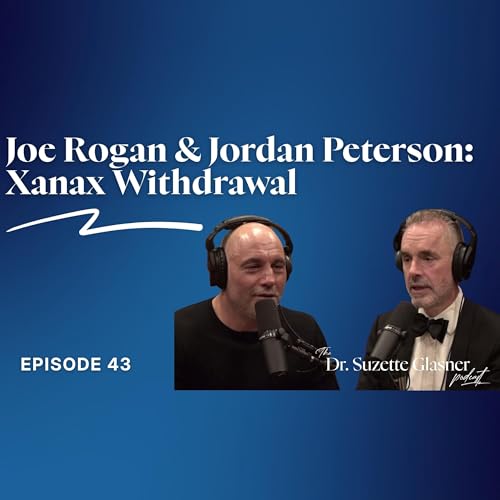
  • Ep. 43: What Joe Rogan and Jordan Peterson Got Right (and Wrong) About Xanax Withdrawal
    Feb 27 2026

    In a widely viewed conversation several years ago, Joe Rogan and Jordan Peterson discussed Peterson’s experience with benzodiazepine dependence and withdrawal. The exchange brought significant public attention to the challenges some individuals face when discontinuing medications like Xanax.

    But how closely did that conversation align with clinical evidence?

    In this episode, clinical psychologist and addiction scientist Dr. Suzette Glasner examines what Rogan and Peterson accurately captured about benzodiazepine withdrawal — and where important nuance may have been missing. Drawing on research, clinical guidelines, and what is known about protracted withdrawal, suicide risk, and physical dependence, this episode informs cultural narrative with clinical science.

    Watch the full episode here:

    Episode Breakdown

    00:00 How Long Does Xanax Withdrawal Really Last?00:34 Why Xanax & Ativan Became So Popular02:00 The Hidden Cost of “Quick Relief”02:43 Jordan Peterson’s 2-Year Withdrawal Battle03:50 The Truth About Short-Term vs. Long-Term Use05:00 Why Stopping Benzos Cold Turkey Can Be Dangerous05:24 Protracted Withdrawal: Why Symptoms Can Last Years06:17 Anxiety, Depression & Rebound Symptoms Explained07:10 Akathisia, Psychosis & Misdiagnosis Risks09:00 Can You Die From Benzodiazepine Withdrawal?10:09 Tapering Off Benzodiazepines11:00 Who’s Most at Risk for Severe Withdrawal?12:37 How Long Does a Safe Taper Actually Take?14:34 Xanax + Alcohol & A Final Message of Hope

    Listen to Episode 43 now to learn how evolving science, media influence, and public perception intersect in the ongoing conversation about anxiety and its treatment.

    📩 Questions or topic suggestions? Email AskDrGlasner@gmail.com

    🔗 Subscribe for evidence-based discussions on addiction, recovery, and mental health:: https://www.YouTube.com/@drglasner


    This is a public episode. If you would like to discuss this with other subscribers or get access to bonus episodes, visit drglasner.substack.com
    Voir plus Voir moins
    16 min
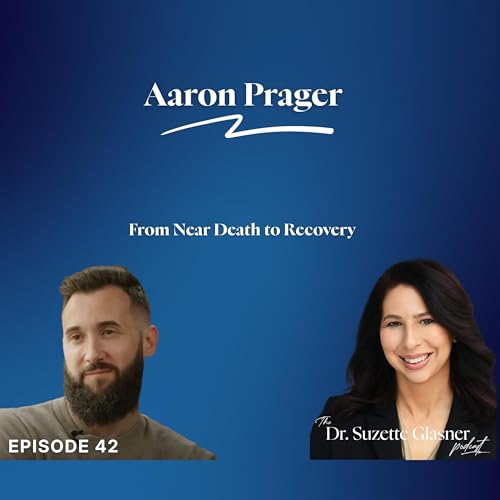
  • Ep. 42: Aaron Prager, Son of Dennis Prager: From Near Death to Addiction Recovery
    Feb 19 2026

    In this in-depth conversation, Aaron Prager — son of Dennis Prager and host of American Recovery on PragerU — joins addiction scientist and clinical psychologist Dr. Suzette Glasner to share his most detailed account yet of his struggle with severe addiction and the transformation that followed.

    Aaron reflects on how addiction to alcohol and methamphetamine progressively took hold of his life, eroding his sense of purpose, isolating him from his family, and leading to psychosis, deepening depression, and despair. What began as experimentation evolved into a life-threatening physiological dependence — the kind that carries a significant risk of mortality.

    Though he wrestled with and at times rejected religion throughout his upbringing, Aaron describes how his eventual return to faith and spirituality became central to his recovery. Beyond survival, he speaks candidly about the internal shift that occurred during recovery: confronting his own flaws, developing humility, and building an honest relationship with himself and a God of his understanding.

    This conversation explores not only addiction and near-death experience, but personal transformation — the process of awakening, self-reflection, and rebuilding a life rooted in responsibility, faith, and family.

    You can find Aaron here:

    X: https://x.com/theaaronprager

    Instagram: https://www.instagram.com/theaaronprager

    You can watch or listen to the full episode on The Dr. Suzette Glasner Podcast here.

    I hope that this episode helps you understand how addiction can unfold, the deeply personal nature of Aaron’s recovery journey and how this can be different for every person who is confronting addiction, and importantly, the fact that people do see the other side of even the most severe addictions like Aaron’s.

    Thank you for listening and. for being part of this community.

    Have a question about today’s episode? Or a question you’d like me to cover in a future episode?

    Email: askdrglasner@gmail.com


    This is a public episode. If you would like to discuss this with other subscribers or get access to bonus episodes, visit drglasner.substack.com
    Voir plus Voir moins
    1 h et 17 min
Pas encore de commentaire