Épisodes

  • The Insanity Defense | What Research Says About Addiction & Legal Insanity: The Nick Reiner Case
    Jan 16 2026

    In this episode, Dr. Suzette Glasner brings forensic psychological research on characteristics of homicide offenders who are found not guilty by reason of insanity - side-by-side with the psychological profile of Nick Reiner, who has been charged with first degree murder in the tragic double homicide case of his parents, Rob and Michele Singer Reiner. News headlines have been speculative around Nick's potential defense strategy and the possibility of an insanity based defense. Dr. Glasner explains how the profiles of those found not guilty by reason of insanity differ from those who are criminally responsible and deemed competent to stand trial, and how addiction and psychosis are considered in a not guilty by reason of insanity defense. You can watch or listen to the full episode on The Dr. Suzette Glasner Podcast here.

    Dr. Glasner examines the profiles of offenders who commit parricide (or the killing of one or both of one’s parents) and are found not guilty by reason of insanity, according to recent forensic psychological studies.

    I hope that this episode helps you understand the complexities surrounding the insanity defense and the psychological mindset of individuals who perform violent acts in the context of severe mental illness and addiction.

    Thank you for listening and. for being part of this community. ⸻ Have a question about today’s episode? Or a question you’d like me to cover in a future episode?

    Email: askdrglasner@gmail.com


    This is a public episode. If you would like to discuss this with other subscribers or get access to bonus episodes, visit drglasner.substack.com
    Voir plus Voir moins
    16 min
  • Ep. 36: Ketamine and Mental Health
    Jan 8 2026

    In this episode, Dr. Suzette Glasner addresses the question that Matthew Perry’s death by ketamine overdose left many contemplating: is ketamine a therapeutic medicine for mental health, or a lethal drug? Dr. Glasner explains the therapeutic uses of ketamine, as well as the risk factors for adverse effects of ketamine use, including addiction.You can watch or listen to the full episode on The Dr. Suzette Glasner Podcast here.

    Dr. Glasner breaks down the scientific evidence for ketamine use in mental health, the risks of ketamine use among individuals like Matthew Perry with addiction history, and important safety guidelines and considerations when exploring ketamine as a treatment option for psychiatric conditions.If you or someone you love is using or thinking about using ketamine either for therapeutic or recreational purposes, this episode offers clear, evidence-based information about ketamine therapy and ketamine addiction. Thank you for being here and being part of this community.⸻ Have a question about today’s episode? Or a question you’d like me to cover in a future episode?

    Email: askdrglasner@gmail.com


    This is a public episode. If you would like to discuss this with other subscribers or get access to bonus episodes, visit drglasner.substack.com
    Voir plus Voir moins
    20 min
  • Ep. 35: Matthew Perry's Legacy: Beyond Tragedy
    Jan 1 2026

    In this episode, Dr. Suzette Glasner responds to Matthew Perry's candid and moving interview with Diane Sawyer a year prior to his untimely death by ketamine overdose, along with recent news concerning the sentencing of Salvador Plasencia, one of two physicians charged in Perry's overdose death case with illegal distribution of ketamine.You can watch or listen to the full episode on The Dr. Suzette Glasner Podcast here.

    Matthew’s reflection — “Secrets kill you. Secrets kill people like me.” — speaks to how addiction thrives in secrecy and shame. It shows how hiding substance use, and the stigma surrounding it, can deeply isolate people, even those who appear confident, successful, and deeply loved in the public eye.Dr. Glasner breaks down why quality addiction care can be challenging to access, how evidence-based addiction care heals and retrains the brain, the risks of ketamine use among individuals like Matthew Perry with addiction history, and how genetics, family and social support impact addiction vulnerability and recovery.If you or someone you love struggles with addiction, this episode offers clear, evidence-based insights inspired by Matthew Perry's insightful self-reflection, analysis by Dr. Glasner of how a person who appears stable in recovery can experience setbacks as he did, and practical strategies to help. Thank you for being here and being part of this community.⸻ Have a question about today’s episode? Or a question you’d like me to cover in a future episode?

    Email: askdrglasner@gmail.com


    This is a public episode. If you would like to discuss this with other subscribers or get access to bonus episodes, visit drglasner.substack.com
    Voir plus Voir moins
    23 min
  • Ep. 34: Nick Reiner (Part 2) : Addiction, Psychosis & Psychopathy - Considered
    Dec 25 2025

    In this second episode on the Nick Reiner case, Dr. Suzette Glasner considers questions raised by viewers about addiction, psychosis, and the role of personality characteristics in homicidal behavior. You can watch or listen to the full episode on The Dr. Suzette Glasner Podcast here.

    As news reports have revealed that Nick Reiner had a diagnosis of schizophrenia in addition to his known history of addiction, Dr. Glasner explains how antisocial and psychopathic personality traits are related to both mental illness and addiction, different forms of violence that are linked to both personality types, and forensic psychological research into the link between schizophrenia and violence. Considering what is currently known about Nick's addiction and mental health history, Dr. Glasner explains how addiction can complicate a personality disorder diagnosis, the likelihood of a personality disorder overlapping with addiction and schizophrenia, and the implications of clinical research on these conditions in combination for understanding the tragic double homicide case of Rob and Michele Reiner. ⸻ Have a question about today’s episode? Or a question you’d like me to cover in a future episode?

    Email: askdrglasner@gmail.com


    This is a public episode. If you would like to discuss this with other subscribers or get access to bonus episodes, visit drglasner.substack.com
    Voir plus Voir moins
    19 min
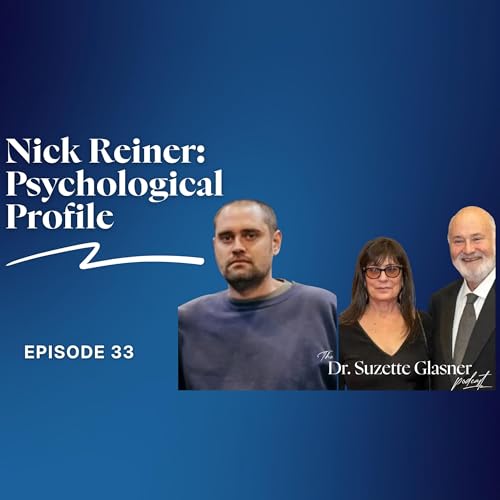
  • Ep. 33: Nick Reiner - A Psychological Profile
    Dec 19 2025

    In this episode, Dr. Suzette Glasner brings the science of child-to-parent violence and parricide - or killing one or both of one’s parents - side-by-side with Nick Reiner’s psychological profile. Nick, the youngest son of the late Rob and Michele Reiner, has been charged with the brutal murder of his parents in a double homicide.You can watch or listen to the full episode on The Dr. Suzette Glasner Podcast here.

    Dr. Glasner explains the profile of adult children who commit acts of violence towards their parents, why parents often suffer in silence in the face of child-to-parent violence, and how addiction and mental health are related to parricide (or the killing of one or both of one’s parents). Leveraging what is currently known about Nick’s addiction history and profile, Dr. Glasner not only explains the genesis of unthinkable violent behavior towards one’s parents, but simultaneously she addresses the fears that the Reiners’ tragic story may stir in families in which an adult child suffers from mental health or addiction issues. Rooted in scientific facts about the frequency of extreme violence and homicidal behavior among adult children towards their parents, Dr. Glasner provides a factual picture of the true risk of such events - and how to recognize and respond to warning signs.

    If you have a child or family member who is living with addiction and/or mental illness, I hope that this episode helps you feel equipped to manage concerns about your safety and/or the safety of your loved one.

    Thank you for listening and. for being part of this community. ⸻ Have a question about today’s episode? Or a question you’d like me to cover in a future episode?

    Email: askdrglasner@gmail.com


    This is a public episode. If you would like to discuss this with other subscribers or get access to bonus episodes, visit drglasner.substack.com
    Voir plus Voir moins
    14 min
  • Ep. 32: Make Your Resolutions Stick
    Dec 16 2025

    In this episode, Dr. Suzette Glasner helps you get prepared to ring in the New Year with proven strategies to make impactful and lasting behavior changes. You can watch or listen to the full episode on The Dr. Suzette Glasner Podcast here.

    Dr. Suzette Glasner breaks down a brief and highly effective therapy exercise to nail down and initiate the most important change you need to make to see a difference in your life in the year ahead. She walks through the exercise in real time for listeners to join and use as a springboard to find motivation and step into action to realize their goals, in just 10 minutes. Using science-backed, practical behavior change techniques, Dr. Glasner will help you frame, define, and initiate steps towards improving your physical and mental health and well-being.

    If you’ve struggled to initiate or make lasting changes to your lifestyle, health, or psychological approach to living, I hope that this episode gives you hope, motivation, and some doable, actionable steps to take today.

    Thank you for listening and. for being part of this community. ⸻ Have a question about today’s episode? Or a question you’d like me to cover in a future episode?

    Email: askdrglasner@gmail.com

    )


    This is a public episode. If you would like to discuss this with other subscribers or get access to bonus episodes, visit drglasner.substack.com
    Voir plus Voir moins
    13 min
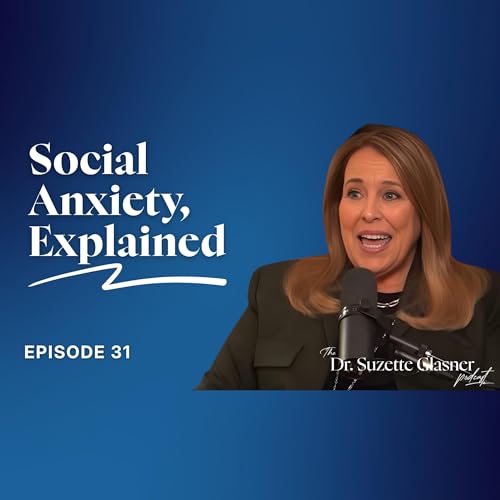
  • Ep. 31: Genie Francis Gets Real About Social Anxiety
    Nov 25 2025

    Ep. 31 — Genie Francis Gets Real About Social Anxiety

    Avoidance, Genetics, and How Exposure Helps

    Dr. Suzette Glasner responds to Genie Francis’ powerful conversation on Maurice Benard’s State of Mind, where the longtime General Hospital actress opens up about living with social anxiety. Her insight — “I have this anxiety when I have to be Genie” — offers a clear look at how anxiety can hide behind confidence and performance.

    You can watch or listen to the full interview on Maurice's podcast here: https://youtu.be/WgiIuV0T0nE?si=BBHXf9c4HJUTtzdn

    Dr. Glasner explains why avoidance worsens anxiety, how exposure therapy works, and how genetics and family patterns contribute to vulnerability. She also shares simple, evidence-based steps to begin reducing anxiety and rebuilding confidence.

    Questions for Dr. Glasner? askdrglasner@gmail.com


    This is a public episode. If you would like to discuss this with other subscribers or get access to bonus episodes, visit drglasner.substack.com
    Voir plus Voir moins
    13 min
  • Ep. 30: Gratitude & Recovery—Lessons from Bev Aikins' Journey
    Nov 20 2025

    Gratitude & Recovery: Lessons from Bev Vance Aikins’ Journey

    As we move into the Thanksgiving season, gratitude becomes a cultural talking point — but in mental health and addiction science, gratitude is far more than a holiday theme. It’s a measurable driver of resilience, emotional regulation, and long-term recovery.

    In this episode of The Dr. Suzette Glasner Podcast, I explore why gratitude matters so deeply in addiction recovery and mental health…and why lived experience helps us understand the research better than any textbook.

    To do that, I reflect on my recent interview with Bev Vance Aikins, mother of JD Vance. Bev spent 15 years in active opioid addiction before entering recovery. Her story is deeply human — filled with guilt, shame, repair, and ultimately, transformation. And throughout our conversation, one theme surfaced over and over again:

    Gratitude changed the trajectory of her life.

    But she didn’t always call it “gratitude.”

    Sometimes she called it being blessed.

    Sometimes it showed up in noticing the “little things.”

    Sometimes it emerged through spirituality and connection.

    Those moments map directly onto what research tells us:

    Gratitude is not passive. It’s an active psychological process that strengthens recovery.

    In this episode, I break down:

    What you’ll learn

    • Why gratitude is such a powerful driver of mental health

    • What Bev Vance Aikins’ journey teaches us about healing

    • How gratitude supports long-term addiction recovery

    • How spirituality and meaning-making strengthen resilience

    • Why spiritual connection improves treatment outcomes

    • How mindfulness helps us notice the “little things” after addiction

    • How guilt and shame transform through self-forgiveness

    • How gratitude + forgiveness rebuild damaged relationships

    • What self-compassion really means — and why it matters

    • The Dalai Lama’s insight on self-love as a prerequisite for compassion

    • Gratitude and compassion meditations that can support daily practice

    • A closing Thanksgiving reflection on staying grounded all year

    Bev’s willingness to confront her past — even when portrayed negatively in a memoir and film — shows how gratitude and self-forgiveness work together. They make sustained recovery possible.

    They make connection possible.

    They make healing possible.

    If you missed the full Bev interview, I strongly recommend watching it: https://youtu.be/2OP4BlGJZwA

    It’s one of the clearest lived examples of applied recovery science I’ve seen in years.

    As always, thank you for being part of this community.

    Wishing you a grounded, compassionate, mindful Thanksgiving — wherever you are in your journey.

    💬 Have a question for a future episode? Email: askdrglasner@gmail.com


    This is a public episode. If you would like to discuss this with other subscribers or get access to bonus episodes, visit drglasner.substack.com
    Voir plus Voir moins
    13 min
adbl_web_global_use_to_activate_DT_webcro_1694_expandible_banner_T1