Épisodes

  • Yellow-bellied sapsuckers
    Oct 1 2026

    Every spring, millions of people gather to celebrate one of Canada’s sweetest traditions: maple syrup. But hidden among Quebec’s sugar maples is a small bird that may be telling us something important about the health of these forests: the yellow-bellied sapsucker.

    In this episode of This Is Wild, host Aliya Jasmine dives into the surprising relationship between sapsuckers, biodiversity and maple syrup. As sapsuckers slowly start to forego the forests they once called home, forest ecologists are learning how the health of Quebec’s environment could be key to its economy, and why a forest with more than just maple trees may actually be healthier—and more productive.

    Could these colourful little woodpeckers become an early warning system for the future of one of Canada’s most beloved ecosystems?

    To learn more about WWF-Canada's Maple Initiative and what you can do to help protect Quebec's maple forests, head to wwf.ca/thisiswild.

    Give to WWF-Canada: wwf.ca/donate

    Sign up for WWF-Canada’s newsletter, Living Planet News: wwf.ca/signup-for-living-planet-news/

    If you have any questions or suggestions for the show, you can email us at thisiswild@wwfcanada.org

    Voir plus Voir moins
    27 min
  • Southern resident killer whales
    Sep 17 2026

    Killer whales are one of the most iconic species in Canada. They’re cultural symbols, tourist attractions and even hockey icons. So why aren’t we doing a better job of protecting them?

    In this episode of This Is Wild, host Aliya Jasmine explores the world of the southern resident killer whales, an endangered subpopulation that swims up and down the coast of B.C. and Washington State. There are only around 75 of them left in the wild.

    Despite legal protections under Canada’s Species at Risk Act, industrial development and shipping continue to put pressure on the whales’ critical habitat.

    From the expansion of the Trans Mountain pipeline to Roberts Bank Terminal 2, the fight to save these whales raises a question that extends far beyond the Salish Sea: What happens when economic development collides with the fight to save an endangered species?

    To learn more about WWF-Canada's initiatives to protect southern resident killer whale habitat, you can go to wwf.ca/thisiswild

    Sign up for WWF-Canada’s newsletter, Living Planet News: wwf.ca/signup-for-living-planet-news/

    If you have any questions or suggestions for the show, you can email us at thisiswild@wwfcanada.org

    Voir plus Voir moins
    32 min
  • Coming Soon: This Is Wild Season 2!
    Sep 14 2026

    This Is Wild is returning to your feed on September 17, 2026!

    This podcast from WWF-Canada is all about the incredible species that call Canada home and the people working to protect them. In each episode, Season 2 host Aliya Jasmine takes listeners on a journey into the life of one species to learn all about how it survives, the threats it faces, and the conservation solutions that could change everything.

    Voir plus Voir moins
    1 min
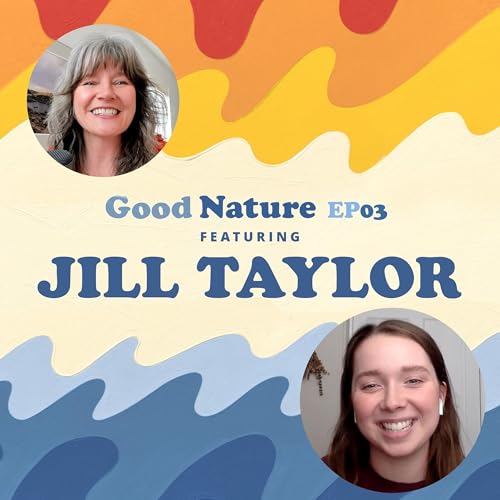
  • BONUS: Puffins! from Good Nature with Megan Leslie
    May 1 2026

    If you like This Is Wild, you might like WWF-Canada's new podcast, Good Nature with Megan Leslie. On this episode, Megan sits down with science communicator Jill Taylor to talk all things puffins!

    You can keep up with future episodes of Good Nature on Youtube, Instagram, or wherever you get your podcasts. To stay up to date on what’s going on at WWF-Canada, sign up for Living Planet News: https://wwf.ca/signup-for-living-planet-news/

    Jill Taylor is a Halifax-based biologist who researches the social behaviour of Atlantic puffins. Beyond her research, Jill has built a massive online following, sharing the beauty of Atlantic ecosystems, her love of scuba diving, and (of course) plenty of puffin antics.

    Jill and Megan get into the surprisingly complex world of Atlantic puffins: what makes them so distinctive, how they navigate life at sea and on land, and why scientists once believed they were actually two completely different birds. Plus, Jill recounts her adventures diving in the Atlantic and Megan discovers a new passion for sea slugs.

    But first, Megan checks in with WWF-Canada’s resident botanist Ryan Godfrey to talk about why coyotes actually belong in cities.

    Follow Jill on Instagram @_jill_taylor or on TikTok @jill.dives!

    Voir plus Voir moins
    35 min
  • BONUS: Introducing Good Nature with Megan Leslie
    Mar 30 2026

    While we work hard on season 2 of This Is Wild, we’re bringing you some special bonus content: the first episode of Good Nature with Megan Leslie, a new podcast from WWF-Canada. You can keep up with future episodes on Youtube, Instagram, or wherever you get your podcasts.

    To stay up to date on what’s going on at WWF-Canada, sign up for Living Planet News: https://wwf.ca/signup-for-living-planet-news/

    Nature is in need right now. More than ever. But who is answering the call?

    Good people, that’s who. And there are more of them than you might think. That’s why Megan Leslie, WWF‑Canada’s president and CEO, is chatting with folks who are proving that hope for nature isn’t just alive — it’s thriving. On this podcast, Megan celebrates both the good we find in nature and the good‑natured people working to protect it, proving that real change is not only possible, it’s already happening.

    In the first episode of Good Nature, Megan sits down with Andy Ridley, the co‑founder of Earth Hour, just as the global movement marks its 20th anniversary. Andy reflects on how a simple idea — turning off the lights for one hour — sparked a worldwide expression of collective action. The conversation traces the evolution of the environmental movement over the past two decades and explores what Andy is working on now: protecting coral reefs by empowering everyday people to help monitor and restore them. From Earth Hour’s origins in Sydney Harbour to its little-known Toronto connection and eventual global ignition, this episode is a hopeful look at how creativity and shared purpose can help turn concern into action.

    Megan is also joined on this episode by WWF-Canada’s resident botanist, Ryan Godfrey, who answers her call on the orca phone to tell her something good about the weeds in your garden.

    Voir plus Voir moins
    33 min
  • Barren-ground caribou
    Nov 21 2025

    For generations, caribou have been at the heart of Inuit life. But in recent years, new infrastructure in the Canadian Arctic has started to block their migratory paths — and threaten a way of life that has lasted for millennia.

    In this episode of This Is Wild, we’ll learn all about how caribou herds navigate the vast tundra, and how Inuit communities are working to protect the animals they rely on. From Inuit knowledge passed down through generations to the modern pressures of industry, we’ll uncover the delicate balance between people, animals and a rapidly changing landscape.

    To learn more about barren-ground caribou, you can go to www.wwf.ca/thisiswild.

    If you have any questions or suggestions for the show, you can email us at thisiswild@wwfcanada.org.

    Voir plus Voir moins
    28 min
  • Peregrine falcons
    Nov 7 2025
    In the 1950s, scientists noticed a troubling trend: around the world, peregrine falcons were disappearing, and no one could figure out why. Revered for their admirable hunting skills and impossible speed, the potential loss of peregrine falcons was devastating to bird lovers everywhere. In this episode of This Is Wild, we’ll uncover how a powerful combination of amazing science, policy shifts and public outcry led to one of conservation’s biggest wildlife success stories. To learn more about peregrine falcons and DDT, you can go to www.wwf.ca/thisiswild. If you have any questions or suggestions for the show, you can email us at thisiswild@wwfcanada.org.
    Voir plus Voir moins
    23 min
  • Fin whales
    Oct 24 2025
    Just a few years ago, the fin whale, the second-largest animal on our planet, reappeared in the fjords of northern B.C.’s Great Bear Sea after being gone for decades. But in the summer of 2025, a new LNG transport facility put this thriving new habitat in danger. In this episode of This Is Wild, we’re learning all about the elusive fin whale, and the tenuous recovery they’re making on Canada’s north Pacific coast. We’ll explore how these giants of the deep are reshaping life in the Great Bear Sea, and why the recent surge of tanker traffic could undercut their comeback. To learn more about fin whales, you can go to www.wwf.ca/thisiswild. If you have any questions or suggestions for the show, you can email us at thisiswild@wwfcanada.org.
    Voir plus Voir moins
    21 min